 Download Our Android App
 Dear Students, New Batches for IAS and MPPSC starting from 5th OCTOBER 2026

 Dear Students, New Batches for IAS and MPPSC starting from 5th OCTOBER 2026
Mobile Phone Manufacturing Scheme (MPMS),
The Mobile Phone Manufacturing Scheme (MPMS), with a total budgetary outlay of ₹62,500 crore, was formally notified by the Ministry of Electronics and Information Technology (MeitY) in August 2026 following Cabinet approval.
It serves as the direct successor to the flagship PLI Scheme for Large-Scale Electronics Manufacturing (PLI-LSEM), which ended on March 31, 2026.
Iran to join the New Development Bank (NDB),
Iran is moving to formally join the New Development Bank (NDB), the Shanghai-based multilateral lending institution established by the BRICS group.
|
The New Development Bank (NDB), commonly referred to as the BRICS Bank, is a multilateral development institution created to mobilize resources for infrastructure and sustainable development projects in emerging market economies and developing countries. Key Operational Overview
Membership Structure Membership is open to any member state of the United Nations.
Uzbekistan (2026 — 10th official member) |
Key Context & Strategic Objectives
BRICS Integration:
Iran became a full political member of the BRICS bloc in 2024. Joining the NDB represents the financial extension of that integration, enabling Tehran to seek shareholding status and direct project financing.
Financial Alternatives:
Facing heavy Western sanctions and isolation from dollar-denominated financial messaging networks (SWIFT), Iran's NDB bid aligns with its broader goal of promoting local-currency cross-border trade and developing non-Western payment and settlement mechanisms.
Infrastructure & Funding:
Potential access to NDB capital would allow Iran to pursue funding for national infrastructure projects, including transport corridors, digital infrastructure, renewable energy, and urban development.
India–SACU Preferential Trade Agreement (PTA)
The India–Southern African Customs Union (SACU) Preferential Trade Agreement (PTA) is a proposed trade agreement between India and the Southern African Customs Union (SACU) aimed at reducing tariffs on selected goods and expanding bilateral trade.
In August 2026, India and SACU signed the Terms of Reference (ToR), formally restarting negotiations that had remained stalled for over a decade.
What is SACU?
The Southern African Customs Union (SACU) is the world's oldest customs union, established in 1910.
Member Countries (5):
Recent Development (2026)
What is a Preferential Trade Agreement (PTA)?
A Preferential Trade Agreement (PTA) is a trade arrangement in which participating countries grant lower tariffs on selected products to each other.
PTA vs FTA
|
Preferential Trade Agreement (PTA) |
Free Trade Agreement (FTA) |
|
Tariff reduction on selected goods |
Tariffs removed/reduced on most goods |
|
Limited market access |
Broad market access |
|
First step toward deeper integration |
More comprehensive agreement |
-Up:
The declared value or asset investment will not be added to your current year's taxable income.
No Rectification Rights: Once declared and settled, you cannot claim a refund, adjustment, or revision of any prior assessment.
SATAT Scheme (Sustainable Alternative Towards Affordable Transportation)
SATAT is a flagship initiative of the Government of India aimed at promoting Compressed Biogas (CBG) as a clean and sustainable transportation fuel.
Key Facts Full Form: Sustainable Alternative Towards Affordable Transportation (SATAT)
Objectives
What is Compressed Biogas (CBG)?
CBG is purified biogas produced from:
After purification, CBG has properties similar to Compressed Natural Gas (CNG) and can be used in vehicles.
Benefits
SATAT and GOBARdhan-
GOBARdhan = Produces biogas from waste
SATAT = Creates a market for that biogas as transport fuel
|
Feature |
SATAT Scheme |
GOBARdhan Scheme |
|
Full Form |
Sustainable Alternative Towards Affordable Transportation |
Galvanizing Organic Bio-Agro Resources Dhan |
|
Launched |
2018 |
2018 |
|
Nodal Ministry |
Ministry of Petroleum & Natural Gas (MoPNG) |
Ministry of Jal Shakti (Department of Drinking Water & Sanitation) |
|
Primary Objective |
Promote production and use of Compressed Biogas (CBG) as transport fuel |
Manage organic waste and convert it into biogas, CBG, and organic manure |
|
Focus Area |
Clean transportation and energy security |
Waste management, sanitation, and circular economy |
|
Feedstock |
Agricultural residue, cattle dung, municipal waste, sewage sludge, food waste |
Same types of biodegradable organic waste |
|
Main Product |
Compressed Biogas (CBG) supplied to Oil Marketing Companies |
Biogas, CBG, bio-slurry (organic manure) |
|
Implementing Agencies |
IOCL, BPCL, HPCL purchase CBG from producers |
States, Urban Local Bodies, Panchayats, private entrepreneurs |
|
Target Sector |
Transport and fuel sector |
Rural sanitation, waste management, agriculture, and energy |
|
Major Benefit |
Reduces crude oil imports and vehicular pollution |
Scientific waste disposal, clean villages, extra income for farmers |
RBI Loan Recovery Framework (2026)
The Reserve Bank of India has issued a revised Loan Recovery Framework to strengthen borrower protection, improve transparency, and ensure ethical recovery practices by regulated entities. The new guidelines will come into force from 1 January 2027.
Key Highlights
Single Point of Contact (SPOC):
Every borrower will be assigned a designated bank official to handle all recovery-related communication.
Mandatory Notice:
Borrowers must be informed before the deployment or replacement of a recovery agent.
Code of Conduct:
Recovery agents must carry valid identity cards, behave courteously, avoid intimidation or harassment, and contact borrowers only during reasonable hours.
Digital Record Keeping:
All recovery-related communications and proceedings must be properly documented to ensure transparency and accountability.
Protection of Borrowers:
Banks and NBFCs will be held responsible for any misconduct by recovery agents engaged on their behalf.
Grievance Redressal:
Borrowers can lodge complaints with the lender's grievance redressal mechanism and, if unresolved, approach the RBI's Integrated Ombudsman.
Objectives
Protect borrowers from coercive recovery practices.
Enhance transparency and accountability in loan recovery.
Promote responsible lending and financial stability.
Strengthen public trust in the banking system.
The GOBARdhan Scheme-
The GOBARdhan (Galvanizing Organic Bio-Agro Resources Dhan) Circular Bioenergy Scheme is a flagship Government of India initiative to convert organic waste into clean energy and organic manure, while promoting a circular economy.
In August 2026, the Union Cabinet approved a revamped National Circular Bioenergy Scheme (GOBARdhan) with a total outlay of ₹23,731 crore to significantly expand the production of Compressed Biogas (CBG/Bio-CNG).
1. Full Form
2. Objective
3. Organic Feedstock Used
4. Main Products
5. Benefits
6. Ministries Involved
Modified Closing Auction Session (CAS)
The Closing Auction Session (CAS) is the last trading session of the day on Indian stock exchanges (NSE and BSE). It is designed to discover the official closing price of a stock in a fair and transparent manner.
What is the recent change?
Stock exchanges have introduced a modified Closing Auction Session mechanism specifically for cash market stocks that have Futures & Options (F&O) contracts.
Why was this change introduced?
The objectives are:
How does the Closing Auction Session work?
The CAS takes place from 3:30 PM to 3:40 PM:
What is the modification?
For F&O stocks, the exchanges have introduced a revised CAS mechanism to improve the determination of the closing price. Since the closing price is used for:
the revised mechanism aims to make this price more representative of genuine market demand and supply.
Pradhan Mantri Surya Sarovar Yojana
The Union Cabinet approved the Pradhan Mantri Surya Sarovar Yojana (PM-SSY), a central sector initiative aimed at expanding India's floating solar power ecosystem.
Key Features & Outlay
|
Core Objectives & Dual Benefits
|
Technical & Environmental Advantage |
Strategic & Policy Impact |
|
Land Savings: Utilizes reservoirs, dams, lakes, and industrial ponds, bypassing land acquisition delays. |
Grid Stability: mandatory storage handles renewable intermittency during peak evening hours. |
|
Water Conservation: Panel shading reduces water evaporation losses from reservoirs. |
500 GW Target: Contributes to India's 2030 non-fossil fuel energy goals. |
|
Thermal Efficiency: Natural cooling effect of water improves panel performance and generation yield. |
Emissions Reduction: Cuts an estimated ~10 million tonnes of $\text{CO}_2$ emissions annually. |
Background Context
The scheme builds upon an assessment by the National Institute of Solar Energy (NISE), which estimated India's total floating solar potential at 102.18 GWp across inland water bodies. It scales up India's current floating solar deployment (such as the Omkareshwar Floating Solar Park in Madhya Pradesh) from ~700 MW to over 5,700 MW.
Bharat AudyogikVikasYojanaRasayan (BHAVYA Rasayan)
The Union Cabinet approved the Bharat AudyogikVikasYojanaRasayan (BHAVYA Rasayan) scheme on July 24, 2026, to establish three world-class, dedicated Chemical Parks across India.
It aims to lower production costs, enhance eco-compliance, boost exports, and cut import reliance in foundational industrial chemicals.
--------------------------
-Unified Lending Interface (ULI)
The Unified Lending Interface (ULI) is a Digital Public Infrastructure (DPI) launched by the Reserve Bank of India (RBI) through the Reserve Bank Innovation Hub (RBIH) to enable frictionless, consent-based credit delivery across India.
Plug-and-Play API Gateway:
Standardizes data-sharing between financial institutions (Banks, RRBs, NBFCs) and multi-domain data providers (Land registries, GSTN, Credit Bureaus, Dairy Federations).
Consent-Driven Flow: Lenders instantly access authenticated financial and non-financial records without handling paper documentation.
Turnaround Efficiency: Dramatically cuts credit appraisal times from weeks to minutes while reducing operational costs by up to 60%.
The "New Trinity": Completes India’s digital infrastructure push alongside JAM (Jan Dhan-Aadhaar-Mobile) and UPI.
Financial Inclusion: Expands formal credit to "thin-file" borrowers, MSMEs, small farmers, and Self-Help Groups (SHGs) by leveraging alternate cash-flow data over physical collateral.
Key Impact: Much like UPI revolutionized retail payments, ULI democratizes credit accessibility by removing structural data silos.
--------------------------------------
National Investment Policy for Urea-2026-
Approved by the Cabinet Committee on Economic Affairs (CCEA) in July 2026, the National Investment Policy for Urea-2026 (NIPU-2026) replaces the earlier NIP-2012 framework to boost domestic fertilizer production under the Atmanirbhar Bharat initiative.
Bridging the Deficit:Aims to bridge the ~10 million metric tonne (MT) gap between domestic production (~30 MT) and annual consumption (~40 MT) by establishing 8–9 new gas-based urea plants.
Guaranteed Returns:Introduces a regulated Return on Equity (RoE) band ranging from 12% to 16% to assure floor-rate downside protection for investors while preventing excessive public exchequer burdens.
Transparent Pricing:Clearly segregates fixed capital investment costs from variable operating costs in subsidy calculations.
Forex Risk Mitigation:Converts fixed project costs to Indian Rupees (INR) after a 4-year operational period to hedge against foreign currency fluctuations.
The policy targets 100% urea self-sufficiency, protecting farmers from international supply disruptions and saving over ₹250 crore per plant compared to NIP-2012 parameters.
Announced in Union Budget 2025–26 and backed by an outlay of ₹491.66 crore (2025–2031), the GyanBharatam Mission by the Ministry of Culture aims to identify, conserve, and digitize over 1 crore ancient Indian manuscripts.
National Manuscript Survey (March 2026):
Launched a nationwide, crowdsourced survey via a dedicated app and portal to create a geo-tagged national "Manuscript Presence Map".
4-Stage Framework:
Operates through (1) Identification, (2) Physical Verification, (3) Metadata Cataloguing, and (4) Scientific Conservation & Digitization.
Institutional Network:
Deploys a nationwide network of Cluster Centers (CCs), Independent Centers (ICs), and trained youth volunteers called "PandulipiMitras".
AI & Tech Integration:
Uses AI-driven Optical Character Recognition (OCR) and Handwritten Text Recognition (HTR) to digitize texts, hosting them on the National Digital Repository (NDR).
Allying traditional wisdom with AI and cloud infrastructure, the mission safeguards India's heritage across philosophy, science, and literature for global research and long-term preservation.
---------------------------
VISHWAS, 2026
The Employees' Provident Fund Organisation (EPFO), under the Ministry of Labour & Employment, launched "VISHWAS, 2026".It is a one-time dispute resolution scheme designed to settle long-pending disputes regarding damages and penalties levied on employers under provident fund regulations.
Key Highlights of 'VISHWAS 2026'
Key Exclusions: Establishments where penalties/damages have already been fully recovered, cases involving fraud/misappropriation/falsification of records, or where statutory interest has not been deposited in full are ineligible.
Dedicated VISHWAS Cells have been set up at EPFO zonal, regional, and district offices to assist employers and ensure speedier processing of applications.
---------------------------
Additional ₹30,000 Crore for NIIF-
The National Investment and Infrastructure Fund (NIIF) is India's sovereign-anchored alternative investment fund established by the Government of India in 2015 to mobilize long-term capital for infrastructure and other strategic sectors.
Decision:
The Union Cabinet has approved an additional ₹30,000 crore capital contribution to the National Investment and Infrastructure Fund (NIIF).
Purpose:
The infusion aims to strengthen infrastructure financing and attract larger domestic and foreign investments.
About NIIF:
Established in 2015, NIIF is India's sovereign-backed investment platform dedicated to infrastructure development.
Ownership:
It is majority-owned by the Government of India, with participation from global institutional investors.
Need:
India requires massive investments in infrastructure to achieve sustained high economic growth and improve competitiveness.
Focus Sectors:
Transport, roads, railways, ports, airports, renewable energy, urban infrastructure, logistics, and digital infrastructure.
Investment Model:
NIIF operates through multiple funds, including the Master Fund, Fund of Funds, and Strategic Opportunities Fund.
Expected Benefits:
Enhanced capital availability, faster project execution, employment generation, and improved quality of infrastructure.
-Airports:Equity investor alongside GMR Airports in key greenfield sites, including Manohar International Airport (Mopa, Goa) and Bhogapuram International Airport (Visakhapatnam).
-Renewable Energy:Formed Ayana Renewable Power
-Data Centers& Digital Infra:Joint venture with Digital Edge to build hyperscale 300MW data center in Navi Mumbai,
Economic Impact:
The investment is expected to crowd in private capital, reduce infrastructure financing gaps, and support the goal of becoming a developed nation (Viksit Bharat) by 2047.
----------------------------
★BSE SAATVIK 100★
Launched by BSE Index Services Pvt. Ltd. in June 2026, the BSE Saatvik 100 is India’s pioneering ethical, culture-driven, and value-based equity index. It tracks 100 select companies filtered from the broader BSE 500 Index that align with "Saatvik" principles of purity, accountability, and positive societal impact.
Core Architecture & Exclusions
Ethical Screening:
Anchored in the philosophy of Ahimsa, the screening mechanism strictly excludes "sin sectors" such as alcohol, tobacco, gambling, narcotics, meat processing, leather, and animal cruelty.
Technical Framework:
It features a base value of 1,000, with its historical timeline anchored to June 20, 2005. The index utilizes a float-adjusted market capitalization-weighted methodology and undergoes semi-annual reconstitution every June and December.
What is Excluded:
Companies tied to the following are filtered out:
Intoxicants: Alcohol and tobacco products.
Gambling: Betting and casinos.
Animal Cruelty: Controversial animal-based products or exploitation.
Weapons: Controversial arms and armaments.
Examples of Constituents
Financial services companies make up the largest portion of the index (around 37%), along with strong representation from consumer discretionary, IT, and energy sectors.
Examples of large-cap companies currently included in the index are:
Why it's Used
Rather than relying solely on profit, this index acts as a benchmark for investors—including mutual funds and Exchange-Traded Funds (ETFs)—who want to align their financial portfolios with clean governance and socially responsible principles
Sector Weights: The Financial Services sector dominates the index architecture with a substantial weight of 37.55%, followed by Consumer Discretionary (11.52%) and Energy (11.14%).
Top Constituents: Individual stock weightages are led by HDFC Bank (9.71%), ICICI Bank (7.69%), and Reliance Industries (7.65%).
Unlike conventional Western ESG or Shariah-compliant frameworks, the index provides an indigenous alternative for domestic capital markets. It creates a robust foundation for launching passive investment instruments like Exchange-Traded Funds (ETFs) and Index Funds, while serving as a reliable benchmark for active Mutual Funds and Portfolio Management Services (PMS).
@INDIA'S FIRST PRIVATE HYBRID 2G ETHANOL PROJECT
Approved by: Ministry of Petroleum and Natural Gas (MoPNG).
Scheme: Financial assistance provided under PM JI-VAN Yojana.
|
|
Financial Assistance: ₹150 crore.
Location: Wave Sugar Plant, Dhanaura, Uttar Pradesh.
Significance: India's first private-sector Hybrid 2G Ethanol Project.
Objective:
Convert agricultural waste into sustainable ethanol fuel.
|
2G Ethanol, The "2G" stands for Second Generation. This classification refers to the evolution of the raw materials (feedstock) and technology used to manufacture the biofuel.
The Evolution: 1G vs. 2G
|
Environmental Benefits:
Reduces stubble burning , Lowers carbon emissions , Promotes waste-to-wealth approach
Economic Benefits:
Additional income for farmers , Rural employment generation , Supports circular bioeconomy
Energy Benefits:
Reduces crude oil imports , Supports ethanol blending programme , Enhances India's energy security
RBI RECOGNISED SAHAMATI FOUNDATION AS
SELF-REGULATORY ORGANISATION (SRO)
What is an SRO (Self-Regulatory Organisation)?
A Self-Regulatory Organisation (SRO) is an entity that regulates, guides, and monitors the conduct of its members within a specific industry, under the overall supervision of a regulator such as the RBI.
Acts as an intermediary between the regulator and industry participants. Frames standards, codes of conduct, and best practices.
Promotes ethical behaviour and consumer protection.
Resolves industry grievances and disputes.
Helps improve compliance without direct government intervention in every matter.
Encourages innovation while maintaining discipline.

Examples of SROs-
Association of Mutual Funds in India – SRO-like role for the mutual fund industry under SEBI.
Advertising Standards Council of India – Self-regulates advertising content.
Fixed Income Money Market and Derivatives Association of India – Develops standards for money and debt markets.
Sahamati Foundation – Now recognised by RBI as an SRO for the Account Aggregator ecosystem.
Financial Industry Regulatory Authority (USA) – Regulates broker-dealers.
National Futures Association (USA) – Oversees derivatives markets.
Why did RBI grant SRO status to Sahamati Foundation?
Sahamati is a not-for-profit industry alliance supporting India's Account Aggregator (AA) framework.
The AA framework enables secure, consent-based sharing of financial data among banks, NBFCs, insurers, mutual funds, and fintech firms.
To strengthen governance of the rapidly growing Account Aggregator ecosystem.
To standardise operational practices across all participants.
To improve consumer trust in digital financial data sharing.
To ensure better compliance with RBI regulations.
To promote interoperability among different AA entities.
To address industry grievances and disputes efficiently.
To support innovation while maintaining security and privacy standards.
To create a single industry voice for dialogue with RBI.
To enhance data protection and consent management mechanisms.
To improve financial inclusion by facilitating safe digital access to financial services.
Strengthens the Digital Public Infrastructure (DPI) ecosystem.
Enhances the effectiveness of the Account Aggregator framework. Facilitates faster digital lending and financial services.
Promotes secure data empowerment and protection. Supports the vision of a more inclusive and technology-driven financial sector.
What is the Account Aggregator (AA) Ecosystem?The Account Aggregator (AA) ecosystem is a framework that allows individuals and businesses to securely share their financial data from one financial institution with another, based on their explicit consent.
Simple MeaningInstead of manually collecting bank statements, mutual fund records, insurance details, etc., a person can authorize an Account Aggregator to digitally fetch and share this information with a lender or service provider. Example-
Taking a LoanSuppose Ravi wants a personal loan from a bank.
-Without AA:
-With AA:
A customer can use an Account Aggregator such as Sahamati Foundation-supported AA network to share:
|
@ USD–RUPEE FOREX SWAP FACILITY
The Reserve Bank of India introduced a USD–Rupee Forex Swap Facility to manage liquidity in the banking system and ensure stability in the foreign exchange market.
A forex swap is a transaction in which banks buy or sell US dollars against Indian rupees and simultaneously agree to reverse the transaction at a future date.
Now, let’s scale this up to how an Indian commercial bank (like SBI) and the central bank (RBI) use it.
The Problem:
An Indian bank has a massive stash of $1 Billion sitting in its vaults from software companies exporting services. However, inside India, there is a sudden festival season cash crunch. Everyone is withdrawing cash, and the bank is completely running out of Indian Rupees to give out home and car loans.
How the RBI Swap Fixes It:
Step 1 (Today):
The bank goes to the RBI and says, "Take our $1 Billion for the next 2 years." The RBI takes the dollars and immediately hands the bank ₹8,500 Crore in fresh Rupees. The bank happily lends these rupees out to regular Indian customers.
Step 2 (After 2 Years): The two years are up. The bank collects money back from its loan borrowers, takes the ₹8,500 Crore, and hands it back to the RBI. The RBI takes the rupees and hands back the bank's original $1 Billion.
The facility helps the RBI inject or absorb rupee liquidity without permanently altering foreign exchange reserves.
Under the arrangement, authorized banks can exchange US dollars with the RBI for a specified period.
The objective is to provide adequate liquidity to the financial system and reduce volatility in currency markets.
The measure helps stabilize the value of the Indian rupee during periods of global financial uncertainty.
It also supports smooth functioning of money markets and improves confidence among investors and market participants.
RAJESH EXPORTS "SCAM" / SEBI INVESTIGATION
What is the Rajesh Exports Case?
The market regulator, SEBI, accused the gold jewellery giant Rajesh Exports of showing an astronomically inflated sales figure of ₹15.15 lakh crore over five years (FY21 to FY25) on paper.
In simple terms, SEBI alleges the company created a "Revenue Mirage."
To investors, it looked like a massive global giant making lakhs of crores in sales, but in reality, its actual business operations were tiny.
The company has denied the fraud, claiming it is a giant "accounting misunderstanding" regarding how foreign numbers were calculated.
If the allegations are true, a company usually manipulates its books for a few major reasons:
1-To Hyper-Inflate the Stock Price (The "Look Big" Strategy):
Why:
In the stock market, size matters. If a company looks like it is generating massive global sales, its stock price stays sky-high. This allows the owners to look incredibly wealthy, borrow massive loans from banks easily, and get big institutions (like LIC) to invest heavily in them.
Simple Example:
Imagine you own a local bakery.
If you tell everyone you sell 100 cakes a year, you look small.
But if you trick your account books to show you sell 10 million cakes a year, everyone thinks you are a global superstar.
Investors will rush to buy your bakery's shares, making your company worth thousands of crores on paper.
2-To Divert Money for Personal Use:
Why:
When a company’s true financial state is hidden behind massive fake numbers, it becomes easier to quietly move real company cash out into the owners' personal pockets. SEBI found that ₹339 crore was moved out of the company.
Simple Example:
Imagine a school treasurer who takes money from the school’s bank account to place personal bets on sports, but writes down fake expenses in the register so the parents and teachers never realize the money is missing.
3-To Hide Opaque Foreign Operations:
Why:
By parking 98% of their reported revenue in unlisted foreign offices (like Switzerland), they made it incredibly hard for Indian authorities to easily double-check the real receipts.
The "Polishing Fee" Trick (Subsidiary Inflation):
How:
The company owns a famous gold refinery in Switzerland called Valcambi.
Instead of just recording the small processing fee they charge to refine gold, the company reportedly added the entire market value of the gold passing through the factory into their revenue books.
Simple Example:
If a customer brings you a diamond worth ₹10 Lakh to clean, and pays you ₹500 for the job, your real revenue is ₹500.
But Rajesh Exports allegedly wrote down that they "sold ₹10 Lakh worth of diamonds." By doing this millions of times, their paper revenue exploded.
4-The "Ping-Pong" Trick (Circular Trading):
How:
On the domestic side, the company recorded roughly ₹11,487 crore in sales and a near-identical ₹11,488 crore in purchases with just one broker company.
Simple Example:
You sell a gold coin to your friend for ₹50,000 in the morning, and buy the exact same coin back from him for ₹50,000 in the evening.
No real gold actually moved and no one made a profit, but on paper, your business can boast that it did "₹1,00,000 worth of trade" in a single day.
The "Profit Margin" Reality Check:
Real global giants have healthy profit margins. If a company claims it has ₹4 lakh crore in annual revenue but its actual profit margin is a microscopic 0.01%, it is an immediate red flag that the sales numbers are likely artificial.
Follow the Real Cash:
Profits can be faked on an Excel sheet, but bank accounts don't lie.
Regulators must check if the Actual Cash Flow from Operations (money coming into the bank) matches the high profits shown on the income statements.
Cross-Border Auditing (Strict SA 600 Enforcement):
Indian auditors cannot blindly accept whatever profit/loss numbers are sent via email from foreign branches. Independent auditors must physically audit and verify the bank statements of overseas subsidiaries.
@RBI surplus transfer to the Central Government
The Reserve Bank of India (RBI) approved a record surplus transfer of about ₹2.87 lakh crore to the Central Government for FY 2025-26. This became one of the most discussed economic current affairs topics of 24–25 May 2026 because of its impact on fiscal deficit, government spending, liquidity, and banking reforms.
Key Highlights
RBI transferred a record surplus/dividend of nearly ₹2.87 lakh crore to the Government of India.
RBI’s balance sheet expanded by over 20% to around ₹91.97 lakh crore.
Major sources of RBI income:
Higher earnings from foreign exchange operations
Sale of dollars to stabilise rupee
Higher returns on foreign assets due to elevated global interest rates
Gains from government securities and gold valuation.
@India Blocks China’s WTO Request
India blocked China’s first request at the World Trade
China challenged India’s trade measures related to:
Solar energy sector
Information Technology (IT) products
China alleged that India’s policies violate WTO rules by favoring domestic manufacturers over imports.
The dispute mainly concerns:
Production Linked Incentive (PLI) schemes
Import duties on IT goods
Local-content requirements in solar manufacturing
India defended its measures, stating that they are aimed at strengthening domestic manufacturing and ensuring supply-chain security.
India also argued that China already dominates the global solar supply chain, making diversification necessary.
Under WTO rules, a country can block the first request for a dispute panel, but not the second one.
The issue highlights growing India–China trade tensions and India’s emphasis on “Make in India” and self-reliance in strategic sectors.
BLOCKBUSTER DRUG SEMAGLUTIDE
The patent for the blockbuster drug Semaglutide (the active ingredient in Novo Nordisk’s Ozempic and Wegovy) officially expired in India on March 21, 2026.
This "patent cliff" has triggered an immediate wave of affordable generic launches from India’s pharmaceutical giants, promising to slash treatment costs by 50% to 85%.
Uses of SEMAGLUTIDE-
Type 2 Diabetes : Helps the pancreas release insulin, prevents the liver from making too much sugar, and slows digestion to prevent post-meal spikes.
Chronic Weight Management: Approved for adults with obesity
Cardiovascular Risk Reduction: Proven to reduce the risk of major adverse cardiovascular events such as heart attack, stroke, or cardiovascular death in adults with heart disease and either diabetes or obesity.
Major Player Launches & Brand Names
DEMOCRATIZING SOCIAL IMPACT FUNDS (SIF)
Democratizing Social Impact Funds (SIF) in India refers to the shift from making social investing a "billionaire's club" activity to a mainstream movement involving retail investors, local communities, and transparent markets.
In 2026, the Securities and Exchange Board of India (SEBI) introduced a transformative reform aimed at democratizing Social Impact Funds (SIF).
By drastically reducing the minimum investment threshold for individual investors from ₹2 lakh to ₹1,000,
SEBI has effectively transitioned social investing from a niche, high-net-worth activity to a mainstream retail participation model.
|
Social Impact Funds (SIF) Social Impact Funds (SIFs) are specialized investment vehicles regulated by SEBI that channel capital into social enterprises and non-profits to generate measurable social or environmental impact alongside financial returns. In March 2026, SEBI democratized this sector by slashing the minimum investment for individuals from ₹2 lakh to ₹1,000, enabling retail participation in India’s Social Stock Exchange (SSE). Examples of SIFs and Projects:
It focuses on early-stage enterprises in sectors like agriculture, financial inclusion, healthcare, and education.
Caspian Impact InvestmentsCaspian provides both equity and debt to professionally managed small and medium enterprises (SMEs) that create a social impact.
Ankur CapitalAnkur is a seed-stage impact fund that focuses on transformative technologies for the "next billion" Indians.
|
Key Aspects of the Reform:
Financial Inclusion:
The move is designed to attract a younger, socially conscious demographic, allowing them to contribute to development projects with a smaller capital base.
Social Stock Exchange (SSE) Synergy:
SIFs act as a primary vehicle for the Social Stock Exchange. This reduction ensures that "Not-for-Profit Organizations" (NPOs) and "For-Profit Social Enterprises" (FPEs) have access to a much wider and more diversified pool of retail capital.
Institutional Framework:
While the entry barrier for individuals is lowered, SEBI maintained rigorous disclosure norms to ensure transparency in how these "impact funds" deploy capital toward social goals like healthcare, education, and climate action.
Market Depth:
By lowering the ticket size, SEBI aims to increase liquidity and depth in the social finance ecosystem, aligning Indian markets with global ESG (Environmental, Social, and Governance) investing trends.
This reform is expected to significantly boost the domestic social enterprise sector by unlocking "patient capital" from the Indian middle class.
BHARAT AUDYOGIK VIKAS YOJNA (BHAVYA)
The Bharat Audyogik Vikas Yojna (BHAVYA) represents a strategic shift in India’s industrial policy, aiming to transition from traditional land allotment to a "ready-to-operate" ecosystem.
Approved by the Union Cabinet on March 15, 2026, it is designed to accelerate the Make in India 2.0 vision.
Core Objectives and Financials
Key Features of "Plug-and-Play" Infrastructure-
Integrated Utilities: Each park will feature pre-installed high-tension power lines, 24/7 water supply, specialized effluent treatment plants (ETPs), and high-speed fiber connectivity.
Single-Window Clearances: Projects within BHAVYA parks will benefit from fast-tracked environmental and operational permits, often pre-approved at the park level.
Common Facility Centers (CFCs): Includes shared testing labs, design centers, and skill development hubs to reduce individual capital expenditure for MSMEs.
Focus on "Deep-Tech": Specifically incentivizes industries involved in Semiconductors, Quantum Computing, and Advanced Robotics to reduce import dependency.
MSME Integration: Mandates that 25% of the land and resources in every BHAVYA cluster be reserved for MSMEs to ensure they are part of the global supply chain.
Zero Effect, Zero Defect (ZED): Strictly aligns with environmental goals, providing subsidies for industries that adopt "Carbon Neutral" manufacturing processes and zero-liquid discharge systems.
BHVYA Parks in MP-
Following the 2026-27 MP State Budget, the state has proactively identified several sites to be developed under this scheme via the "challenge mode" (competitive selection):
Strategic Impact
Implementation Model
|
Category |
Assistance per MW |
Project Cost Cap |
Max Limit |
|
NE States & Border Districts |
₹3.6 crore |
30% |
₹30 crore |
|
All Other States |
₹2.4 crore |
20% |
₹20 crore |
FISCAL HEALTH INDEX (FHI) 2026
The Fiscal Health Index (FHI) 2026, released by NITI Aayog on March 12, 2026, has sparked a significant national debate regarding the divergent fiscal paths of Indian states.
The index evaluates states based on four critical parameters: Fiscal Deficit, Own Tax Revenue, Interest Payments, and Debt-to-GSDP ratio.
The Winners: "Achievers" (Odisha and Jharkhand)
Odisha and Jharkhand emerged as the top performers, classified as "Achievers" for maintaining exemplary fiscal discipline.
The Laggards: "Aspirational" (Kerala and Tamil Nadu)
In a stark contrast, high-growth engines like Kerala and Tamil Nadu were categorized as "Aspirational," a diplomatic term indicating a need for urgent fiscal correction.
Romania in the International Solar Alliance (ISA),
On March 6, 2026, Romania officially ratified the Framework Agreement of the International Solar Alliance (ISA), with the formal ceremony taking place in New Delhi.
Ambassador Sena Latif presented the Instrument of Ratification to the Ministry of External Affairs, marking Romania's transition from a signatory to a full member.
This move aligns with Romania’s "National Energy and Climate Plan," which targets 8 GW of solar capacity by 2030.
|
The International Solar Alliance (ISA) ISA -headquartered in Gurugram, India, celebrated its 10th Foundation Day on March 11, 2026. Co-led by India and France, this treaty-based organization now includes over 120 member and signatory countries.
Recent milestones include the launch of the Green Hydrogen and Storage Startup Challenge 2026 and progress toward the "Towards 1000" strategy, which aims to mobilize $1,000 billion for 1,000 GW of solar capacity by 2030.
|
For India, the host of the ISA Secretariat, Romania’s membership strengthens renewable energy diplomacy in Southeast Europe and bolsters the global "One Sun, One World, One Grid" (OSOWOG) initiative.
|
Superpower |
Membership Status |
Notes |
|
India |
Founding Member |
Host nation and global headquarters (Gurugram). It is the primary driver of the alliance. |
|
USA |
Withdrawn (Jan 2026) |
The U.S. joined in 2021 but officially withdrew in January 2026 as part of a broader exit from several international organizations. |
|
China |
Non-Member |
Although China is the world's largest solar producer, it has not yet signed the framework agreement. |
|
Russia |
Non-Member |
Russia remains outside the alliance and has not shown interest in joining the framework. |
|
France |
Founding Member |
Co-founder of the ISA and remains a highly active leader and funder. |
|
Germany |
Full Member |
A major European contributor to the alliance's technical and financial goals. |
|
Japan |
Full Member |
Joined early to support technology transfer and clean energy logistics. |
|
United Kingdom |
Full Member |
Actively collaborates on the "One Sun One World One Grid" (OSOWOG) initiative. |
THE ALLOCATION HIERARCHY- TO TACKLE A SEVERE ENERGY CRISIS
In early March 2026, the Government of India invoked emergency powers under the Essential Commodities Act (ECA), 1955, and the Natural Gas (Supply Regulation) Order, 2026, to tackle a severe energy crisis.
This proactive move was triggered by the escalating U.S.-Israel-Iran conflict, which led to a near-total blockade of the Strait of Hormuz—a critical maritime chokepoint through which approximately 80% of India’s LPG and 30% of its natural gas imports typically pass.
The Allocation Hierarchy
To shield the common man from supply disruptions, the Ministry of Petroleum and Natural Gas established a strict four-tier priority system:
Household Piped Natural Gas (PNG), Compressed Natural Gas (CNG) for public transport, and domestic LPG production were granted top priority, receiving full supply based on their six-month average consumption.
Refinery Directives
Under the ECA, the government legally mandated both public and private refineries (including Reliance Industries) to maximize LPG output.
Refiners were prohibited from using propane and butane for petrochemical production, instead redirecting these streams entirely into the LPG pool.
What is LPG?
LPG (Liquefied Petroleum Gas) is primarily a mixture of flammable hydrocarbon gases. The exact composition can vary based on the country and the season (to account for temperature changes), but it consists mainly of:
THE "DOUBLE-DEFLATOR" FRAMEWORK
What is Deflator?
A Deflator is an economic metric used to convert a "nominal" value (prices at current market rates) into a "real" value (prices adjusted for inflation). It essentially "deflates" the effect of price increases to show the actual growth in volume or quantity.
Example
If a country only produces bread and the price rises from ₹20 last year to ₹22 this year, but the quantity produced stays the same, the Nominal GDP rose by 10%. The Deflator would help economists realize that "Real" growth was actually 0% and the increase was purely due to inflation.
What is Double deflator?
The "double-deflator" (or double-deflation) framework is a refined statistical method used to calculate the Real Gross Value Added (GVA) of an economy.
It accounts for price changes in both what a company produces and what it consumes.
In the new GDP series (Base Year 2022–23) released in February 2026, India formally adopted this for the manufacturing and agriculture sectors to align with international SNA 2008 standards(System of National Accounts/ Global Accounting Rulebook").
Key Features
Example: A Steel Furniture Factory
Imagine a factory in 2026:
Only the output (₹100) is deflated. The computer sees a profit of ₹70 (100 - 30) and might misinterpret the ₹30 "gain" as increased production.
The system deflates the ₹100 output (stays ₹100) and the ₹30 input (adjusted back to ₹60 based on the 50% price drop).
|
Feature |
Single-Deflator Framework |
Double-Deflator Framework |
|
Deflation Method |
Uses one price index (often output prices) for both outputs and inputs. |
Uses separate price indices for output and intermediate inputs. |
|
Assumption |
Assumes the prices of inputs and outputs move in perfect sync. |
Recognizes that input and output prices fluctuate independently. |
|
Accuracy |
Prone to distortion during periods of high commodity price volatility. |
Highly accurate; reflects real value addition across sectors. |
|
Global Standard |
Older practice; common in developing economies until recently. |
Modern international best practice (UN-SNA recommended). |
|
Sectoral Focus |
Typically used for the entire economy or aggregate sectors. |
Best for manufacturing, agriculture, and services with complex value chains. |
INDO-GERMAN GREEN AND SUSTAINABLE DEVELOPMENT PARTNERSHIP (GSDP).
This €20 million initiative, announced during high-level climate talks in New Delhi marks a significant expansion of the Indo-German Green and Sustainable Development Partnership (GSDP).
Core Objectives & Strategy
Provided through Germany’s International Climate Initiative (IKI), specifically targeting high-risk ecological zones.
Unlike traditional "gray" infrastructure (dams/walls), this uses "nature-based solutions" to mitigate climate risks.
Examples- include forest restoration, creating biodiversity corridors, and natural groundwater recharge, Protecting mangroves to prevent coastal erosion, Maintaining species diversity to ensure ecosystems remain resilient.
Policy & Financial Innovation-
The project directly assists the Ministry of Environment, Forest and Climate Change (MoEFCC) in implementing India’s forthcoming National Adaptation Plan (NAP).
It explores new financial models such as blended finance, biodiversity credits, and climate insurance to leverage private sector investment.
innovative finance , blended finance ,biodiversity credits ,climate insurance
By moving beyond standard grants or loans, it utilizes tools like green bonds and social impact incentives. Its primary purpose is to scale up funding by aligning private profit with global sustainability targets.
Blended finance uses catalytic capital from public or philanthropic sources to "de-risk" projects, making them attractive to private investors. By improving the risk-return profile, it allows commercial capital to flow into high-impact sectors, such as emerging market infrastructure, that would otherwise be considered too financially volatile.
-Funds for a solar farm project
- A philanthropic foundation pays the initial costs for a vocational training program. If the program hits specific success targets (like job placement rates), a government agency repays the foundation plus a small return.
Biodiversity credits are for the protection of specific habitats and species, creating a market-driven incentive for businesses to become "nature-positive."
Climate insurance provides financial protection against extreme weather events like floods or droughts. These instruments, such as parametric insurance, trigger immediate payouts based on predefined weather data. This ensures that vulnerable communities and farmers receive rapid recovery funds, preventing a descent into long-term poverty after a disaster.
- Crop Insurance for Farmers:
IDFC Bank's current controversy
The current controversy surrounding IDFC FIRST Bank involves a significant internal fraud case that surfaced in late February 2026. Here is a concise, pointwise summary:
The ₹590 Crore Fraud Case
The Incident:
On February 22, 2026, the bank disclosed a ₹590 crore fraud involving Haryana government-linked accounts at its Chandigarh branch.
The Method:
Unlike modern cyberattacks, this was a "traditional" fraud involving forged physical cheques. Employees allegedly bypassed internal "maker-checker" protocols to siphon funds into third-party accounts.
Collusion:
The bank’s CEO, V. Vaidyanathan, confirmed it was a case of internal collusion between bank staff and external parties, including a former branch manager (Ribhav Rishi) who has since been arrested.
Immediate Impact & Response
Financial Settlement:
In a rare move for a private bank, IDFC FIRST Bank refunded the entire ₹583 crore (principal plus interest) to the Haryana government within 24 hours of the disclosure to maintain trust.
Government Action:
The Haryana government has de-empanelled IDFC FIRST Bank and AU Small Finance Bank from handling state business and moved its funds to nationalized banks.
Stock Market Hit:
Following the news on February 23, the bank’s share price plummeted by nearly 16–20% in a single day, wiping out significant market valuation.
Investigation:
The bank has suspended four officials and appointed KPMG for an independent forensic audit. The Anti-Corruption Bureau (ACB) is conducting a criminal probe.
Current Outlooks
The bank maintains that this is an isolated, non-systemic incident and that they remain well-capitalized. To reassure the public, they even took out full-page newspaper advertisements titled "Living By Customer-First Principles."
@Revised Consumer Price Index (CPI) series-
On February 12, 2026, India’s Ministry of Statistics and Programme Implementation (MoSPI) officially transitioned to a new economic era by releasing the first retail inflation data under a revised Consumer Price Index (CPI) series with 2024 as the base year, replacing the outdated 2012 series.
Why base year is changed?
Updating the "Consumption Basket"
The "basket" is the list of goods and services used to track price changes. Since 2012, Indian lifestyles have changed dramatically.
Removal of Obsolete Items:
The new series removes items that people rarely buy anymore, such as VCD/DVD players, cassettes, and radios.
Addition of Modern Needs:
New items have been added to reflect current spending, including OTT streaming services (Netflix/Hotstar), gym equipment, smartphones, pen drives, and even babysitter charges.
Headline Inflation:
The retail inflation for January 2026 stood at 2.75%, well within the Reserve Bank of India’s (RBI) comfort zone of 2–6%.
|
Headline Inflation- Refers to the total inflation in an economy, measuring the overall increase in prices of all goods and services within the consumer basket. It reflects the actual cost of living experienced by households. Unlike Core Inflation, it includes volatile categories like food and fuel, which are susceptible to sudden price shocks from weather or geopolitics.
|
Food & Housing: Food inflation was recorded at 2.13%, while housing inflation stood at 2.05%.
Regional Variation: Rural inflation (2.73%) and Urban inflation (2.77%) showed remarkable convergence, signaling a more balanced price stability across the country.
|
Feature |
Old Series (2012) |
New Series (2024) |
|
Base Year |
2012 |
2024 |
|
Item Count |
~299 items |
~358 items |
|
Food Weight |
~45.8% |
~36.7% |
|
Data Sources |
Physical markets only |
Markets + 12 Online Platforms |
The shift from the 2012 base to 2024 is not just a numerical update but a structural overhaul reflecting modern Indian lifestyles:
Reduced Food Weight:
The weight of the "Food and Beverages" category was slashed from 45.86% to 36.75%. This reduces the impact of seasonal vegetable price shocks on headline inflation, providing a clearer "core" signal for the RBI.
Increased Service & Housing Weight:
Categories like "Housing, Water, and Electricity" saw weights rise to 17.67%.
Notably, Rural House Rent was included for the first time in history.
Modern Basket:
Outdated items like VCRs and radios were removed. The new basket includes 358 items, featuring modern necessities like OTT streaming subscriptions, gym equipment, pen drives, and babysitter services.
Digital Integration:
For the first time, price data from 12 major online marketplaces is integrated into the index to reflect the booming e-commerce sector.
Economic Impact
This "Reset" allows the RBI to calibrate monetary policy with greater precision.
By reducing the "noise" of volatile food prices, the central bank can focus more on the burgeoning services sector and digital economy, ensuring that interest rate decisions align with the actual cost of living for the modern Indian household.
@ The Union Budget 2026-27
The Union Budget 2026-27, presented by Finance Minister Nirmala Sitharaman on February 1, 2026, is centred around the theme of "Viksit Bharat" (Developed India) and guided by the framework of three "Kartavyas" (Duties):
-prioritising the underprivileged,
-accelerating growth/jobs, and
-strengthening economic foundations.
Here is a concise summary of the key highlights and announcements.
Overall Budget Summary (FY 2026-27)
|
Particulars |
Budget Estimates (₹ Crore) |
|
Total Receipts (A+B) |
53,47,315 |
|
(A) Revenue Receipts |
35,33,150 |
|
(B) Capital Receipts |
18,14,165 |
|
Total Expenditure (C+D) |
53,47,315 |
|
(C) Revenue Expenditure |
41,25,494 |
|
(D) Capital Expenditure (Capex) |
12,21,821 |
Deficit Indicators
|
Deficit Type |
FY 2026-27 Target (% of GDP) |
Significance |
|
Fiscal Deficit-₹16.1 lakh crore (approx.) |
4.3% |
The total gap between spending and non-borrowed income. |
|
Revenue Deficit |
1.5% |
Borrowing used specifically for daily operational expenses. |
|
Effective Revenue Deficit |
0.3% |
Revenue deficit minus grants given for capital asset creation. |
|
Primary Deficit |
1.1% |
Fiscal deficit excluding interest payments on past loans. |
Revenue Breakdown: "Where the Money Comes From
Tax collections remain the backbone of the government's income.
|
Source of Income |
Share (%) |
|
Borrowing & Other Liabilities |
24% |
|
Income Tax |
22% |
|
GST & Other Taxes |
18% |
|
Corporation Tax |
17% |
|
Non-Tax Receipts |
9% |
|
Union Excise Duties |
5% |
|
Customs |
4% |
|
Non-Debt Capital Receipts |
1% |
Expenditure Breakdown: "Where the Money Goes"
Interest payments and states' share of taxes account for nearly half of all government spending.
|
Head of Expenditure |
Share (%) |
|
States' Share of Taxes & Duties |
22% |
|
Interest Payments |
20% |
|
Central Sector Schemes |
16% |
|
Centrally Sponsored Schemes |
8% |
|
Defence |
8% |
|
Finance Commission & Other Transfers |
8% |
|
Major Subsidies |
6% |
|
Pensions |
4% |
|
Other Expenditure |
8% |
Direct Tax & Personal Finance
The budget provided significant relief for the middle class and salaried employees by revising the New Tax Regime to make income up to ₹12 lakh effectively tax-free.
Revised Income Tax Slabs (New Regime)
|
Income Slab (₹) |
Tax Rate |
|
Up to 4,00,000 |
Nil |
|
4,00,001 – 8,00,000 |
5% |
|
8,00,001 – 12,00,000 |
10% |
|
12,00,001 – 16,00,000 |
15% |
|
16,00,001 – 20,00,000 |
20% |
|
20,00,001 – 24,00,000 |
25% |
|
Above 24,00,000 |
30% |
Standard Deduction:
A Standard Deduction is a flat, fixed amount that the government allows you to subtract from your total annual salary before you calculate your taxes.
Increased to ₹75,000 for salaried individuals (effectively making income up to ₹12.75 lakh tax-free).
|
|
Senior Citizens: Tax deduction limit for medical insurance/expenses doubled to ₹1 lakh.
Revised Returns: The deadline to file revised returns has been extended to March 31 (with a nominal fee).
To understand how income up to ₹12 lakh becomes tax-free, it is important to look at the interaction between the Tax Slabs and a specific tax break called the Section 87A Rebate.
Under the New Tax Regime for FY 2026-27, even though the slabs technically show tax is due once you cross ₹4 lakh, the government "wipes out" that tax using a rebate.
The "Math" Behind the Zero Tax
If you earn exactly ₹12,00,000, here is how the tax is calculated before the rebate:
|
Income Bracket |
Calculation |
Tax Amount |
|
First ₹4,00,000 |
0% of 4,00,000 |
₹0 |
|
Next ₹4,00,000 (4L to 8L) |
5% of 4,00,000 |
₹20,000 |
|
Next ₹4,00,000 (8L to 12L) |
10% of 4,00,000 |
₹40,000 |
|
Total Tax Payable |
₹60,000 |
The Secret Sauce: Section 87A Rebate
The government provides a rebate under Section 87A of up to ₹60,000 for anyone whose total taxable income does not exceed ₹12 lakh.
Bonus for Salaried Employees (The ₹12.75 Lakh Limit)
If you are a salaried employee, you get an additional benefit called the Standard Deduction of ₹75,000. This amount is deducted from your gross salary before tax is even calculated.
How it works for Businessmen vs. Salaried
While both can enjoy zero tax up to ₹12 lakh, there is a small difference in their "gross" limit due to the Standard Deduction.
|
Category |
Income Source |
Net Taxable Income |
Tax Status |
|
Salaried |
Salary |
Up to ₹12.75 Lakh* |
Zero Tax |
|
Businessmen |
Business Profit |
Up to ₹12 Lakh |
Zero Tax |
The "Tax Cliff" Warning-
A Tax Cliff is a situation where earning just ₹1 extra causes your tax bill to jump by a massive amount, making you "poorer" despite your higher salary.
Example-
This benefit works like an "all-or-nothing" switch.
If your taxable income is ₹12,00,000, you pay ₹0.
If your taxable income is ₹12,00,001 (just Re. 1 more), you lose the entire ₹60,000 rebate.
To prevent a situation where earning ₹1 extra costs you ₹60,000 in tax, the government provides
Marginal Relief. - Marginal Relief (Tax as per slabs - Extra Income)
What is Marginal Relief?
Marginal Relief is a "fairness rule" in the Indian tax system. It ensures that if your income increases by a small amount, your tax bill doesn't increase by a large amount.
This ensures that the tax you pay will never exceed the amount by which your income exceeds ₹12 lakh.
Why You Must Still File an ITR?
Even if your tax is zero, you are legally required to file an Income Tax Return (ITR) if your total income exceeds the basic exemption limit of ₹4 lakh.
The "Zero Tax" benefit isn't automatic; you claim the Section 87A rebate through your tax filing to bring the balance to nil.
Marginal Relief is a "fairness" rule. It exists because of a strange mathematical quirk in our tax laws: if your income is exactly ₹12,00,000, your tax is ₹0, but if your income is ₹12,00,001, your tax technically jumps to over ₹60,000.
Without Marginal Relief, earning ₹1 extra would actually make you ₹59,999 poorer in take-home pay. This is known as a "tax cliff."
How Marginal Relief Fixes Tax cliffe?
The law (Section 87A) states that if your income is slightly above the rebate limit, your tax cannot be more than the extra income you earned over that limit.
The Scenario: Earning ₹12,10,000
Let's see how the calculation works for someone earning ₹10,000 over the limit:
|
Step |
Description |
Amount |
|
1 |
Total Taxable Income |
₹12,10,000 |
|
2 |
Tax as per Slabs (₹60k for first 12L + 15% on next 10k) |
₹61,500 |
|
3 |
Extra Income earned over ₹12,00,000 |
₹10,000 |
|
4 |
Marginal Relief (Tax as per slabs - Extra Income) |
₹51,500 |
|
5 |
Net Tax Payable (Step 2 - Step 4) |
₹10,000 |
STT Changes:
STT stands for Securities Transaction Tax.
It is a direct tax levied by the Government of India on every purchase and sale of securities (like stocks, futures, and options) that are listed on a recognized stock exchange like the NSE or BSE.
Securities Transaction Tax (STT) on Futures hiked to 0.05% and on Options to 0.15%.
Why increased?
Specifically for the Derivatives (F&O) segment to discourage excessive speculative trading.
Key Sectoral Announcements
Manufacturing & Technology
Semiconductor Mission 2.0:
Launched to further boost domestic chip manufacturing.
Launched in the Union Budget 2026-27, India Semiconductor Mission (ISM) 2.0 features a ₹40,000 crore outlay to deepen the chip ecosystem.
It shifts focus from assembly to the "full-stack"—targeting domestic Intellectual Property (IP), semiconductor equipment manufacturing, specialized materials, and industry-led research centres to achieve long-term technological self-reliance.
Bio-Pharma Shakti:
A new scheme with an outlay of ₹10,000 crore to build a network for biologics and biosimilars.
- Biologics: The "Originals"
- Biosimilars: The "Highly Similar" Successors
The Bio-Pharma Shakti initiative (outlay: ₹10,000 crore) aims to make India a global hub for high-end drug manufacturing.
It focuses on tackling non-communicable diseases (NCDs) like cancer and diabetes by shifting the domestic industry from traditional chemical generics to advanced biological medicines.
Key Explanations
Biosimilars:
Unlike generic drugs, which are exact chemical copies, biosimilars are highly similar "versions" of biologics (complex medicines made from living organisms).
Because biologics are incredibly expensive, producing domestic biosimilars makes life-saving treatments for cancer and autoimmune diseases affordable.
NIPERs (National Institutes of Pharmaceutical Education and Research):
These are India's "IITs of Pharmacy." The budget plans to set up 3 new NIPERs and upgrade 7 existing ones to create a skilled workforce and a research network specifically for biopharmaceuticals.
The mission also includes a network of 1,000 accredited clinical trial sites to ensure these new drugs meet global safety and efficacy standards quickly.
Electronics:
Outlay for electronic component manufacturing increased to ₹40,000 crore.
Rare Earth Corridors:
To be established in Odisha, Kerala, Andhra Pradesh, and Tamil Nadu.
|
"Rare Earth" refers to a group of 17 metallic elements that are essential to modern life but notoriously difficult to source. Despite the name, they aren't actually "rare" in terms of how much exists in the Earth's crust—they are just rarely found in large, concentrated chunks that are easy to mine. Think of them like "Industrial Vitamins": you only need a tiny amount, but without them, the "body" of modern technology doesn't work. |
Infrastructure & Urban Development
Urban Challenge Fund: ₹1 lakh crore allocated to transform cities into "growth hubs."
Interest-Free Loans: ₹1.5 lakh crore in 50-year interest-free loans to states for capital projects.
Railway Corridors: New freight corridor announced for Dankuni (West Bengal).
What is Dedicated Freight Corridors (Rail)?
These are tracks built solely for cargo trains. They are often engineered to handle "double-stack" containers (two containers piled on top of each other).
Example: India’s Western DFC. This connects Dadri (near Delhi) to Mumbai. It allows heavy goods to bypass the crowded passenger rail lines, cutting travel time from days to hours.
Why Dhankuni?
Bridging the Industrial West with the Resource-Rich East
The Surat Side: Gujarat is a powerhouse for textiles, chemicals, and diamonds.
The Dankuni Side: West Bengal (and neighboring Jharkhand/Odisha) is the hub for coal, iron ore, and steel.
The Result: This corridor allows raw materials to reach western factories faster and finished goods to reach eastern markets and the Northeast more cheaply.
Agriculture & Rural Economy
Kisan Credit Card (KCC): Loan limits expanded .
The limit for short-term agri-loans at the subsidized interest rate of 7% (effectively 4% with prompt repayment) has been increased from ₹3 lakh to ₹5 lakh.
New Missions:
Dedicated missions for pulses, fisheries, and high-value crops like coconut and cashew.
Digital Agriculture:
Deployment of "Agri-drones" and AI-driven analytics for farm productivity.
Healthcare & Education
Medical Seats: 10,000 new medical seats added for the upcoming year.
Cancer Care: 200 day-care oncology clinics to be set up in district hospitals.
Mental Health: Launch of NIMHANS 2.0 to establish a major mental health institute in North India.
Atal Tinkering Labs: 50,000 new labs to be established in schools over 5 years.
Indirect Taxes & Customs
Life-Saving Drugs: 36 medicines made duty-free to reduce healthcare costs.
EV & Electronics: Customs duty cut on lithium batteries, cobalt powder (in the production of Lithium-ion batteries.), and specific telecom components.
TCS Rationalization:
Tax Collected at Source (TCS) on overseas tour packages reduced to 2% (from 5%/20%).
|
Category |
Rate Before April 2026 |
Rate From April 1, 2026 |
|
Overseas Tour Packages |
5% (up to ₹10L) / 20% (above ₹10L) |
Flat 2% (No threshold) |
|
Education Remittances |
5% (above ₹10L) |
2% (above ₹10L) |
|
Medical Remittances |
5% (above ₹10L) |
2% (above ₹10L) |
What is TCS?
Tax Collected at Source (TCS) is a tax collection method where the seller (e.g., a travel agent) collects an extra percentage of money from the buyer (you) at the time of a high-value sale and pays it directly to the government.
Is it an extra tax?
No. TCS is not a "hidden fee" or an "additional tax." It is an advance tax payment.
The money is linked to your PAN card.
When you file your income tax returns (ITR) at the end of the year, you can subtract this amount from your total tax bill. If you owe no tax, you get this money back as a refund.
EC discretion on SIR -SC Decision
In January 2026, the Supreme Court of India delivered a landmark observation regarding the Election Commission of India's (ECI) discretion during the Special Intensive Revision (SIR) of electoral rolls.
The Bench, led by Chief Justice Surya Kant and Justice Joymalya Bagchi, ruled that while the ECI holds the "widest possible discretion" under Article 324 and Section 21(3) of the Representation of the People Act (1950), this power is not absolute.
No "Untrammelled" Power:
The Court emphasized that ECI cannot deviate from established rules (like the 1960 Registration of Electors Rules) in a way that is "unregulated" or "arbitrary."
Civil Consequences:
The Court noted that removing a name from the voter list is a serious matter affecting civil rights. Therefore, any "special" procedure must be as transparent as the standard revision process.
Natural Justice:
The manner of conducting revisions must be "just and fair," conforming to the principles of natural justice.
The Court specifically questioned the ECI's decision to mandate 11 documents for the 2025 SIR exercise while the standard Form 6 only notifies six.
Aadhaar Inclusion:
The Court intervened to ensure the Aadhaar card remained a valid document for verification after it was initially excluded in some regions.
Transparency:
The ECI was told it cannot "eliminate or increase" documents arbitrarily without a transparent, recorded reason that survives constitutional scrutiny.
|
Aspect |
Supreme Court Mandate |
|
ECI Discretion |
High, but must be regulated and transparent. |
|
Procedure |
Must follow "Natural Justice" to protect voter rights. |
|
Deviations |
Allowed only if reasons are recorded and fair. |
BEE-CAFFE 3 RECENT CHANGES
Bureau of Energy Efficiency (BEE) is a statutory body under India’s Ministry of Power. Its mission is to reduce the economy’s energy intensity through market-based strategies.
CAFÉ III (Corporate Average Fuel Efficiency) is a set of rules from the Indian government that forces car companies to make their vehicles more fuel-efficient and less polluting.
Alignment with Global Benchmarking
In January 2026, the Indian government requested a comprehensive review of international CAFÉ standards (specifically from the US, EU, China, and Japan) to settle the domestic industry dispute.
Global Standards:
The recent change involves shifting the “Indian Standard” to align with global “footprint” or “weight-curve” models.
What is Weight curve?
A weight-curve model (also called a mass-based standard) is a way of setting pollution limits where the amount of $CO_2$ a car is allowed to emit depends on how much the car weighs.
Instead of having one single limit for every car (like saying “all cars must hit 91.7g/km”), the government uses a mathematical formula—a curve—to give each car a custom target.
Lighter cars are given a stricter (lower) $CO_2$ target because they naturally use less fuel.
Heavier cars (like SUVs) are given a more lenient (higher) $CO_2$ target because it takes more energy to move a heavy object.
The Target:
By 2027, the average car a company sells must emit much less $CO_2$ than today.
The Change:
The rules are getting much stricter. Companies must now move toward selling more Electric Vehicles (Evs) and Hybrids to bring their “average” pollution score down.
The Big Debate:
There is a fight over “Small Cars.” Some want small cars to get easier targets to keep them cheap, while others say everyone should follow the same rules to ensure safety and better technology.
In January 2026, the primary focus regarding “BEE CAFÉ 3” (specifically the Bureau of Energy Efficiency’s CAFÉ III emission norms in India) involves significant revisions.
Here are the recent and critical changes to the CAFÉ III (Corporate Average Fuel Efficiency) framework as of early 2026.
Removal of the “Small Car” Exemption
The most significant recent update is the BEE’s decision to likely scrap the 3g/km CO2 credit for small cars that was proposed in the September 2025 draft.
Modified Weight-Based Emission Equation
New Threshold: The formula is being adjusted to offer “graduated relief” for vehicles weighing below 1,229 kg.
Outcome: This shift ensures that India’s 2027–2032 targets are scientifically grounded in international best practices, moving away from the arbitrary weight cut-offs that sparked the initial industry divide.
Summary of CAFÉ III Implementation
|
Feature |
Status (as of Jan 2026) |
|
Effective Date |
April 1, 2027 – March 31, 2032 |
|
Target Limit |
Moving toward a weight-linked curve (pprox.. 91.7g/km average) |
|
Primary Goal |
Stricter CO2 reduction to push OEMs toward EV and Hybrid adoption |
The 8th Central Pay Commission (CPC)
The 8th Central Pay Commission (CPC) has been formally constituted by the Government of India as of late 2025/early 2026.
This commission is tasked with the comprehensive review and revision of the salary, pension, and allowance structures for over 1.1 crore central government employees and pensioners.
The Leadership Team
The government has appointed a three-member panel to lead this transition:
Chairperson: Justice (Retd.) Ranjana Prakash Desai
A former judge of the Supreme Court of India.
She makes history as the first woman to head a Central Pay Commission.
She currently also serves as the Chairperson of the Press Council of India.
Member-Secretary: Pankaj Jain
A 1990-batch IAS officer and the current Secretary of the Ministry of Petroleum and Natural Gas.
He will oversee the administrative and consultative framework of the commission.
Part-Time Member: Prof. Pulak Ghosh
A renowned professor from the Indian Institute of Management (IIM) Bangalore.
His expertise in data analytics and economics is expected to bring a more data-driven approach to the "fitment factor" calculations.
Mandate and Timeline
Submission Deadline:
The commission has been given 18 months from the date of its notification (October/November 2025) to submit its final report. This places the expected delivery around mid-2027.
Effective Date:
Despite the report's future submission, the new pay scales are set to take effect retrospectively from January 1, 2026.
Terms of Reference (ToR):
The panel is directed to consider national economic health and "fiscal prudence" while evaluating pay. A key focus is also on rewarding performance and accountability within the civil services
The "Fitment Factor" Debate:
The core of the implementation lies in the fitment factor (the multiplier used to revise basic pay). While unions are demanding a factor of 3.00 to 3.68 (raising minimum pay to ₹54,000), conservative government estimates suggest a factor between 1.92 and 2.28.
The term "fitment" is used because the primary goal of the multiplier is to"fit" an employee from an old, outgoing pay structure into a brand-new one without any loss of income or status.
What it means in numbers
If the government accepts a 3.68 multiplier, the minimum basic pay would rise from the current ₹18,000 to ₹66,240.
Fiscal Impact:
Experts project a 30–34% overall increase in the government’s salary and pension bill, creating a significant budgetary challenge for the FY2027-28 cycle
------------------------------
Predatory Pricing
Context:
The Competition Commission of India (CCI) has notified the Determination of Cost of Production Regulations, 2025, introducing ATC-based cost norms to tackle predatory pricing and enhance competition safeguards.
About Predatory Pricing:
Definition: Predatory pricing is a strategy where a dominant firm sets artificially low prices to eliminate competitors, thereby gaining monopoly power.
Example: NSE vs. MCX case — low-cost tactics to drive out rivals in stock exchange services.
Core Features:
Prices set below production costs
Aimed to drive out market competitors
Benefits to consumers are short-term
Long-term monopoly leads to high prices and fewer choices
Issues Surrounding Predatory Pricing:
Consumer Welfare Trap: Initial low prices give way to monopolistic pricing post-rival exit.
Difficult Proof of Intent: Establishing “anti-competitive intent” legally remains complex under Section 4 of Competition Act.
Chilling Effect on Startups: Fear of market capture deters innovation in sunrise sectors like AI, FinTech.
Fragmented Data Ecosystem: Absence of dynamic market surveillance mechanisms weakens early detection.
Judicial Delays: Prolonged litigation reduces the effectiveness of penalties in fast-moving digital markets.
Recent 2025 Rules: CCI’s New Reforms
Notified on: May 6, 2025 — replaces 2009 Cost Regulations.
Key Innovations:
Introduces ATC (Average Total Cost) as a clear benchmark for pricing assessment.
Removes vague “market value” measure — promoting consistency.
Mandates expert involvement for complex technical assessments.
Requires CCI to publicly record reasons when deviating from Average Variable Cost — promotes transparency.
Provides tools for real-time market monitoring — modernising CCI’s enforcement under Section 4.
Conclusion:
The 2025 reforms on predatory pricing mark a progressive step towards fostering transparent markets and protecting consumer welfare. With a refined cost framework and expert-driven enforcement, the CCI is now better equipped to tackle unfair pricing practices, promote healthy competition, and secure long-term market dynamism.
US Issue Level 2 Travel Advisory for India
Context:
The US State Department issued a Level 2 Travel Advisory for India, urging citizens to exercise increased caution due to rising violent crime and terrorism threats.
About US Issue Level 2 Travel Advisory for India:
What it is?
A Level 2 advisory is part of the US State Department’s 4-level travel alert system that advises citizens on international travel risks. Level 2 means “Exercise Increased Caution”.
Published by: US Department of State, Bureau of Consular Affairs.
Four Categories of US Travel Advisories:
Level 1 – Exercise Normal Precautions
Level 2 – Exercise Increased Caution
Level 3 – Reconsider Travel
Level 4 – Do Not Travel
Key Issues in Latest Advisory on India:
Violent Crime and Sexual Assaults:
Reports of rape and violent attacks at tourist destinations have risen.
The advisory urges travellers, especially women, to avoid solo travel.
Terrorism Threats:
Terror attacks may occur without warning in crowded spaces — markets, public transport hubs, religious places, and government buildings.
Restricted access for US officials in parts of eastern Maharashtra, Telangana, and West Bengal due to Naxalite presence.
High-Risk Areas Identified:
Jammu & Kashmir: Do not travel due to terrorism and unrest.
India–Pakistan Border: Do not travel due to armed conflict risk.
Central & Eastern India (e.g., Chhattisgarh, Jharkhand): Terror threats by Naxalite groups.
Manipur: Avoid due to ethnic violence.
Northeastern states: Reconsider travel to parts of Arunachal Pradesh, Sikkim, and remote border regions due to insurgent activity.
Operation Spider’s Web
Context:
executed Operation Spider’s Web, its largest drone offensive, destroying $7 billion worth of Russian aircraft.
About Operation Spider’s Web:
What is Operation Spider’s Web?
Operation Spider’s Web is a high-precision, long-range drone operation launched by Ukraine targeting Russian airbases deep within enemy territory.
Nations Involved:
Ukraine: Executing the offensive through its military and intelligence agencies.
Russia: The target of the drone assault, which affected strategic airpower assets.
Objective:
To cripple Russia’s strategic bomber fleet, especially aircraft capable of launching cruise missiles and nuclear payloads.
To showcase deep-strike capability and shift tactical momentum ahead of peace negotiations.
India Green Economy Potential
Context:
A recent NLB Services report forecasts that India will generate 7.29 million green jobs by FY28 and 35 million by 2047.
About India Green Economy Potential:
What is the Green Economy?
A green economy refers to economic activities that reduce environmental risks, improve ecological sustainability, and generate employment through low-carbon, resource-efficient, and inclusive growth.
Key Highlights from the Report
Green Jobs Projection:
India is expected to generate 7.29 million green jobs by FY 2027–28.
The total number of green jobs could reach 35 million by 2047.
Green Economy Value Forecast:
The green economy is projected to reach a value of $1 trillion by 2030.
By 2070, it could grow to $15 trillion, supporting India’s net-zero ambitions.
Potential Trends in Employment
Tier II and Tier III Cities: These are projected to generate 35–40% of the green jobs by FY28, especially in sectors like sustainable agriculture, logistics, and warehousing.
Evolving Skill Requirements:
Increasing demand for hands-on green technology skills.
There is a growing need for digital literacy, especially in AI, Blockchain, and IoT applications.
Strong focus on industry-academia partnerships to align curricula with sustainability and climate goals.
Viksit Bharat Meets Green Growth
Context:
India’s ambitious goal of becoming a developed nation (Viksit Bharat) by 2047 and achieving net-zero emissions by 2070 has brought green growth into focus.
Balancing rapid economic development with sustainable practices is critical to ensuring long-term prosperity and environmental resilience.
Idea of Viksit Bharat:
Goal: Transform India into a fully developed economy by 2047, with sustained high growth and inclusive development.
Key objectives: High GDP growth (over 8%), world-class infrastructure, poverty elimination, and social equity.
Pillars: Digital revolution, industrial strength, innovation, and climate resilience.
Global positioning: Aim for India to become a leading geopolitical power and technology hub.
How Green Growth Fuels India to Viksit Bharat:
Job creation: Green sectors are expected to generate 50 million new jobs by 2070 (WEF’s Mission 2070 report).
Economic value addition: Estimated $1 trillion in additional economic value by 2030 from green investments.
Energy security: Reduces dependency on 85% crude oil imports, stabilizing the economy.
Export competitiveness: Decarbonized manufacturing helps avoid future carbon penalties (potential $150 billion annual loss by 2040).
Measures Taken by Government So Far:
National Green Hydrogen Mission: Targets 5 MMT of green hydrogen production annually by 2030.
500 GW renewable energy goal: To be achieved by 2030; currently progressing with 180+ GW installed.
Production Linked Incentive (PLI): Launched for solar modules, advanced battery storage, and green technologies.
Budget 2025 provisions: Announced 100 GW nuclear energy plan, grid-scale battery production support.
Challenges:
High Carbon Dependency: Coal accounts for 55-60% of power generation, with demand peaking only by 2030-2035.
Funding Gaps: Requires $290 billion in renewable energy investments by 2030, posing financial challenges.
Skill Deficit: Need to train 3.7 million skilled workers for the renewables sector by 2030.
Climate Risks: Extreme heat could reduce GDP by 2.5-4.5% by 2030, impacting agriculture and labor productivity.
Policy Implementation: Balancing fast growth with green transition requires careful planning and execution.
Way Ahead:
Holistic Strategy: Combine renewable energy capacity-building with climate adaptation measures and ecosystem development.
Demand-Side Focus: Provide farmers and MSMEs access to affordable, climate-resilient technologies and green finance.
International Collaboration: Partner with global experts for technical support, skill development, and innovative financing.
Innovation: Invest in green hydrogen, grid modernization, and carbon capture technologies to drive sustainable growth.
Policy Tools: Use carbon pricing, green bonds, and blended finance models to incentivize decarbonization.
Conclusion:
Green growth and the vision of Viksit Bharat are not opposing paths but complementary goals. Accelerating green investments and building resilient infrastructure will drive sustainable growth. A well-planned green transition will place India on a stronger global footing by 2047.
AI Kosha
Context:
The Ministry of Electronics & IT (MeitY) launched AI Kosha, a secured AI datasets platform, along with the IndiaAI Compute Portal and other initiatives to accelerate AI innovation and research in India.
The initiative, announced on the IndiaAI Mission’s anniversary, aims to democratize AI access, enhance AI competency in governance, and support AI startups and research.
About AI Kosha
What is AI Kosha?
AI Kosha is a secure AI innovation platform designed to provide seamless access to datasets, models, and AI development tools. It serves as a centralized repository to enable AI research and innovation in India.
Developed By- Ministry of Electronics & Information Technology (MeitY) under the IndiaAI Mission.
Key Features
AI Dataset Repository: Hosts over 300 datasets and 80+ AI models for research and development.
AI Sandbox Environment: Provides an integrated development environment (IDE) with tools and tutorials for AI model training.
Content Discoverability: Uses AI-readiness scoring to help researchers identify relevant datasets.
Security & Access Control: Features data encryption (at rest & in motion), API-based secure access, and real-time malicious traffic filtering.
Permission-Based Access: Allows tiered access for different user groups like researchers, startups, and government bodies.
Benefits of AIKosha
Accelerates AI Research: Provides high-quality datasets and pre-trained models, reducing time for AI development.
Enhances AI Innovation: Enables startups, researchers, and enterprises to develop AI solutions with real-world data.
Strengthens AI Security: Promotes ethically sourced, consent-based datasets, ensuring responsible AI practices.
Boosts Public Sector AI Adoption: Supports government AI applications in governance, healthcare, and education.
Limitations
Limited Dataset Variety: Initial datasets are sourced from government and research institutions, reducing availability of real-world commercial data.
Access Restrictions: Strict security protocols may limit ease of data retrieval for private-sector innovators.
Early Stage Development: AIKosha is still evolving, and wider industry participation is required for expansion.
Parvatmala Pariyojana
Context:
The Cabinet Committee on Economic Affairs (CCEA) approved two major ropeway projects in Uttarakhand under the Parvatmala Pariyojana, connecting Govindghat-Hemkund Sahib (12.4 km) and Sonprayag-Kedarnath (12.9 km).
About Hemkund Sahib Ji:
Location: Situated in the Chamoli district of Uttarakhand, at an altitude of 4,632 meters in the Garhwal Himalayas.
Connectivity: Currently accessible via a 21-km trek from Govindghat, soon to be connected via ropeway.
Features:
One of Sikhism’s holiest shrines, dedicated to Guru Gobind Singh Ji.
Also, a gateway to the Valley of Flowers, a UNESCO World Heritage Site.
About Parvatmala Pariyojana:
What is Parvatmala Pariyojana?
A National Ropeways Development Programme aimed at boosting ropeway connectivity in hilly areas.
Launched In:
Announced in the Union Budget 2022-23 by the Ministry of Road Transport and Highways (MoRTH).
Ministry:
Implemented by MoRTH under the National Highways Logistics Management Limited (NHLML).
Aim:
To enhance connectivity in difficult terrains and reduce travel time in hilly areas.
To promote eco-friendly and cost-effective transport solutions.
To boost tourism and the local economy by facilitating better access to remote locations.
Key Feature:
200+ Ropeway Projects Planned: Over the next five years with a budget of ₹1.25 lakh crore.
Public-Private Partnership (PPP) Model: Encourages private sector participation for economic viability.
Monocable & Tricable Gondola Technology: Ensures high capacity, better efficiency, and safety.
Hybrid Annuity Mode (HAM) Support: 60% construction funding by the government, making projects more feasible.
Make in India Initiative: Focus on indigenous manufacturing to boost local industries.
Multi-Utility Benefits: Ropeways to be used for tourism, urban transport, and logistics in remote areas.
-------------------------------
Income-Tax Bill, 2025
Context
The Income-Tax Bill, 2025, was introduced in Parliament to replace the Income-Tax Act, 1961, aiming for a simplified structure, clearer language, and reduced litigation.
A key highlight is the introduction of the ‘tax year’ concept, replacing the existing ‘assessment year.’ However, while the Bill streamlines provisions, experts argue that it lacks major structural changes in compliance and penalties.
Key Provisions of the Bill
Introduction of the ‘Tax Year’ Concept – The ‘assessment year’ has been removed, and the ‘tax year’ now aligns with the financial year (April 1 – March 31). For businesses or newly set up professions, the tax year begins from their establishment date.
Expanded Definition of Income – Virtual digital assets (VDAs) like cryptocurrency and NFTs are now considered capital assets, similar to land, shares, and bullion, affecting tax calculations.
Simplified and Concise Drafting – The Bill reduces the number of provisos and cross-references, making it easier to interpret without relying on multiple sections and rules.
Consolidation of Tax Compliance Requirements – Provisions related to TDS, assessment timelines, dispute resolution, and deductions have been tabulated for easier access.
Removal of Outdated Exemptions – Provisions like Section 54E (capital gains exemption for pre-1992 asset transfers) and redundant sections from past amendments have been eliminated.
Integration of Other Tax Laws – Provisions from Wealth Tax and rules for inventory valuation and revenue recognition for service contracts have been incorporated within the Bill for uniformity.
Advantages associated with the Bill
Better Readability and Clarity – The removal of complex legal language and cross-references makes it easier for taxpayers to understand their liabilities.
More Organized Tax Structure – Tax deductions, exemptions, and compliance timelines are now grouped into schedules and tables, reducing confusion.
Alignment with Digital Economy – Tax laws now recognize virtual digital assets (VDAs) as taxable capital assets, making tax regulations more contemporary.
Faster Compliance and Processing – Consolidation of tax rules reduces administrative delays, making compliance more efficient.
More Comprehensive Framework – The Bill integrates rules from other tax laws, such as wealth tax and inventory valuation, avoiding the need for separate legislation.
Challenges and Concerns
Minimal Structural Reforms – The Bill largely retains existing tax policies, offering no significant changes in compliance burdens or penalty structures.
Potential for Increased Litigation – While the Bill simplifies text, some broad terms remain undefined, leaving scope for legal disputes.
Digital Privacy Concerns – Authorities now have expanded search and seizure powers, including the ability to override passwords to access emails and digital accounts.
Lack of Taxpayer Relief Measures – The Bill does not address concerns related to high compliance costs, dispute resolution inefficiencies, or tax burden reductions.
Uncertainty Over Implementation – The transition from ‘assessment year’ to ‘tax year’ could create confusion, requiring businesses to adjust their tax planning strategies.
Way Forward
Strengthen Digital Privacy Protections – The Bill should include judicial oversight for digital searches to prevent misuse of government powers.
Improve Dispute Resolution Frameworks – Mediation mechanisms should be introduced to reduce tax litigation and resolve cases faster.
Clarify Tax Definitions – Key terms like “risk management strategy” in assessments should be clearly defined to avoid legal ambiguity.
Introduce Compliance Relief Measures – Reducing documentation requirements and providing simpler tax return processes can ease taxpayer burdens.
Ensure Smooth Transition to Tax Year System – Clear guidelines are needed to help businesses adjust to the new tax year model without compliance confusion.
Conclusion
The Income-Tax Bill, 2025, marks a shift toward simplification and modernization, but it lacks deep structural reforms. The new tax year concept and removal of outdated provisions are steps forward, yet privacy concerns and litigation risks remain. To maximize its effectiveness, the government must ensure transparency, reduce compliance burdens, and introduce stronger taxpayer protections.
--------------------------------------
Taxing Virtual Digital Assets
Context:
The Income Tax Bill, 2025, classifies Virtual Digital Assets (VDAs) as property and capital assets, bringing them under capital gains taxation and regulatory scrutiny.
The bill imposes a 30% tax on VDA transfers, 1% TDS on transactions, and mandates reporting, ensuring transparency and preventing financial misuse.
About Taxing Virtual Digital Assets:
What are Virtual Digital Assets (VDAs)?
Virtual Digital Assets (VDAs) refer to digitally represented assets that use blockchain or cryptographic technology for transactions.
Defined under Section 2(111) of the Income Tax Bill, 2025, VDAs include cryptocurrencies, NFTs, and similar digital assets.
Types of VDAs:
Cryptocurrencies: Bitcoin, Ethereum, Ripple, Solana, etc.
Non-Fungible Tokens (NFTs): Unique digital collectibles and assets.
Stablecoins: Crypto assets pegged to fiat currencies (e.g., USDT, USDC).
Tokenized Assets: Digital representations of real-world assets (e.g., tokenized stocks, real estate).
Reasons Behind the Proposal to Tax Virtual Digital Assets:
Aligning with Global Practices: Countries like the U.K., U.S., Australia, and New Zealand tax crypto assets as property or securities.
Revenue Generation: High trading volumes in crypto markets present a new tax revenue stream for the government.
Preventing Tax Evasion: Unreported crypto gains pose a risk of black money accumulation and illicit transactions.
Ensuring Regulatory Oversight: Tracking large crypto transactions through 1% TDS and mandatory reporting reduces financial misuse.
Reducing Financial Fraud & Risks: Unregulated crypto trading can lead to fraud, Ponzi schemes, and investor losses.
Challenges in Taxing Virtual Digital Assets:
Lack of Comprehensive Regulations: Taxation is in place, but market regulation, investor protection, and enforcement mechanisms remain weak.
Absence of Deductions: Unlike other assets, crypto investors cannot claim deductions for transaction fees, mining costs, or commissions.
High Tax Burden: Flat 30% tax discourages retail investors and crypto startups from participating in the market.
Compliance Complexity: Mandatory TDS and reporting requirements increase the burden on traders, exchanges, and businesses.
Global Crypto Mobility: Investors may move funds to tax-friendly countries, reducing India’s potential tax revenue.
Way Ahead:
Comprehensive Regulatory Framework: Establish clear rules for investor protection, fraud prevention, and stablecoin regulations.
Balanced Taxation: Introduce progressive tax rates and allow deductions for transaction costs to improve compliance.
Strengthening Enforcement: Enhance AML (Anti-Money Laundering) and KYC (Know Your Customer) norms to prevent misuse.
International Collaboration: Align policies with G20 and FATF recommendations to create a harmonized global crypto taxation model.
Consumer Awareness & Protection: Educate investors on risks, legal obligations, and compliance requirements for safer participation.
Conclusion:
The taxation of Virtual Digital Assets under the Income Tax Bill, 2025, is a major step toward regulatory clarity, ensuring financial transparency and government oversight. A balanced approach integrating taxation, financial regulation, and consumer rights is necessary to build a secure and inclusive digital asset ecosystem.
Economic Survey Latest News
The Economic Survey 2024-25, tabled in Parliament by Finance Minister Nirmala Sitharaman, highlights deregulation, strategic investments, artificial intelligence (AI), climate adaptation, and inclusive policies as key pillars for economic growth.
The report underscores the need for private-sector-led innovation, ease of doing business, and a shift in regulatory mindset to propel India’s economy forward.

Deregulation as a Growth Stimulus
The Survey advocates a "Deregulation Stimulus", urging the government to minimize bureaucratic red tape and allow businesses to focus on innovation. It calls for:
Shifting from a "guilty until proven innocent" regulatory approach to a trust-based system.
Simplifying policies to make them more transparent and accessible.
Boosting Strategic Investments for Economic Competitiveness
With global trade growth slowing down, the Survey emphasizes domestic and foreign investments to maintain India’s economic momentum. It highlights:
Encouraging private sector investments to strengthen domestic supply chains.
Attracting foreign capital to enhance competitiveness.
Climate Change: Focus on Adaptation Over Mitigation
India’s energy transition strategy must prioritize adaptation rather than just emission reduction, according to the Survey. Key recommendations include:
Diversifying energy sources while balancing economic and environmental sustainability.
Expanding public transportation as an efficient alternative to private electric mobility.
Avoiding over-reliance on imported resources for energy security.
Artificial Intelligence: Driving India’s Tech Innovation
Recognizing AI’s potential, the Survey suggests:
Establishing AI Centres of Excellence (CoE) in top educational institutions.
Creating a 1 lakh crore financing corpus to support AI research and private-sector innovation.
Acknowledging that AI may not be a universal solution for a labor-intensive economy like India.
The Survey promotes a balanced approach to AI adoption, ensuring employment preservation while leveraging automation for economic gains.
Health and Nutrition: Tackling Processed Food Consumption
The report raises concerns about the rising consumption of ultra-processed foods (High in Fat, Salt, and Sugar - HFSS) among Indian youth. It recommends:
External Trade and Economic Challenges
The Survey warns of potential trade restrictions that could impact India’s export growth. Key risks include:
Rising global protectionism affecting market access.
Widening current account deficit due to import dependencies.
Geopolitical uncertainties influencing trade agreements.
To mitigate these risks, India must focus on self-reliance in strategic sectors and expanding domestic consumption.
State of the economy
Gross Domestic Product (GDP): The Economic Survey has estimated real GDP growth between 6.3% to 6.8% in 2025-26.
In 2024-25, India’s real GDP is estimated to grow by 6.4%. To become a developed nation by 2047, India would require sustained economic growth of around 8% every year for at least a decade.
Inflation: Retail inflation decreased from 5.4% in 2023-24 to 4.9% in 2024-25 (April-December). This has been driven by reduction in input prices.
Agriculture and allied activities
Agriculture sector has recorded an annual average growth rate of 5% between 2016-17 and 2022-23.
Crop yields in India are considerably lower compared to other countries. This highlights the need for improvements in productivity. Crop productivity is linked to on-farm and post-harvest inputs including access to quality seeds, better irrigation facilities, and improvements in soil health.
Industry
The industrial sector grew by 6.2% in 2024-25, driven by robust growth in the electricity and construction sectors. Industrial growth declined to 3.6% in the second quarter of 2024-25 due to factors such as: (i) slowdown in manufacturing exports due to intensified trade competition and industrial policies of major trading nations, and (ii) unprecedented levels of monsoon which slowed down activities such as mining and construction.
Gujarat, Maharashtra, Karnataka, and Tamil Nadu account for around 43% of the total industrial gross state value added
Services sector
The services sector has grown an at average rate of 8.3% between 2022-23 and 2024-25. Its contribution to total gross value added has increased from 51% in 2013-14 to about 55% in 2024-25.
Conclusion: Towards "Viksit Bharat 2047"
The Economic Survey 2025 presents a bold vision for India's growth, focusing on deregulation, investment-driven expansion, AI innovation, climate adaptation, and inclusive development.
By fostering a trust-based business environment, promoting private sector-led growth, and addressing climate and social challenges, India aims to build a competitive and resilient economy on its path to "Viksit Bharat 2047".
---------------------------------
Pay Commission
Context:
The Union Cabinet, chaired by Prime Minister, has approved the establishment of the 8th Pay Commission, aiming to revise the salaries of nearly 50 lakh central government employees and allowances for 65 lakh pensioners.

About Pay Commission:
What it is: A body established by the Central Government to review and recommend changes to the salary, allowances, and pension structures of central government employees and pensioners.
Established by: Department of Expenditure, Ministry of Finance, Government of India.
Aim:
Ensure fair compensation for government employees.
Recommend formulas for revising Dearness Allowance (DA) and Dearness Relief (DR) to offset inflation impacts.
Functions:
Review pays and allowances of central government employees.
Suggest structural changes to enhance governance.
Ensure financial sustainability of salary revisions.
History of Pay Commissions:
1st Pay Commission:
Year: 1946
Headed by: Srinivasa Varadachariar
Long Working Hours Debate
Context:
Proposals such as a 90-hour workweek, presented by L&T Chairman S.N. Subrahmanyan, have sparked controversy, highlighting concerns about workplace culture, employee well-being, and productivity.

Proposal for long working hours:
Prominent business leaders in India, including Narayana Murthy, S.N. Subrahmanyan, and Bhavish Aggarwal, have called for extended work hours.
They argue that increasing workweeks could drive economic growth and emulate post-war recovery strategies seen in countries like Japan and Germany.
The proposals suggest a model of 70–90 hours per week to enhance productivity and global competitiveness.
Positives of long working hours:
Boosts Output: Extended hours could increase work volume and project completion speed.
E.g. Manufacturing industries in India show higher outputs during peak seasons with overtime work.
Economic Growth: Longer hours contribute to higher GDP by increasing workforce participation and productivity.
E.g. India’s IT sector thrives on high-pressure deadlines to meet global client demands.
Skill Development: Extended work periods provide opportunities for employees to acquire and refine skills.
E.g. Startups in Bengaluru often use extended work hours for rapid upskilling.
Job Security: Employees who commit to long hours may gain better job stability in competitive industries.
E.g. Contract workers in construction projects benefit from extended work schedules.
Workplace Resilience: A culture of hard work builds resilience and adaptability.
E.g. Infosys employees working extra hours during critical projects led to client retention.
Limitations of long working hours:
Health Risks: Extended hours lead to physical and mental health issues like burnout and stress.
E.g. A Pune-based Ernst & Young employee reportedly died from workplace stress in 2024.
Declined Productivity: Fatigue from overwork reduces focus, creativity, and overall efficiency.
E.g. Reports from the ILO link long hours to lower productivity in South Korea.
Poor Work-Life Balance: Excessive work hours strain personal relationships and reduce social engagement.
E.g. Employees in Japan’s “karoshi” culture face rising loneliness and depression.
High Attrition Rates: Long hours increase turnover rates as employees seek balanced work environments.
E.g. India’s IT sector experienced talent migration to companies offering flexible hours.
Negative Societal Impact: Overwork culture discourages family building and community participation.
E.g. Japan’s aging population is partially attributed to its demanding work culture.
Way ahead:
Balanced Work Hours: Introduce flexible working models that balance output with personal well-being.
E.g. Indian startups implementing hybrid work schedules enhance productivity.
Employee Wellness Initiatives: Promote mental and physical health programs in workplaces.
E.g. TCS offers stress management workshops for employees.
Enhanced Efficiency: Encourage tools and technologies to optimize work processes.
E.g. AI-driven project management tools reduce workload in India’s IT sector.
Cultural Shift: Foster a mindset valuing quality of work over quantity.
E.g. Microsoft’s four-day workweek experiment in Japan boosted productivity.
Legislative Safeguards: Introduce labor laws to regulate maximum working hours.
E.g. India’s existing laws under the Factories Act provide for limited work hours.
Conclusion:
A balanced approach to work hours, focusing on efficiency rather than mere quantity, is vital for sustainable growth. Organizations must value employee well-being to foster creativity and innovation. As the Indian workforce evolves, promoting smarter work practices will create healthier workplaces and drive long-term success.
-----------------------------------
World Economic Forum Reports
Context:
The World Economic Forum has recently released two reports named “Global Cybersecurity Outlook 2025” and “Global Risks Report 2025.”

About Global Cybersecurity Outlook 2025:
Published by: World Economic Forum (in collaboration with Accenture).
Aim: To examine the cybersecurity trends impacting economies, societies, and organizations.
Key Features:
Escalating Cyber Threats: Highlights the sophistication of cybercrime amid geopolitical tensions and emerging technologies.
Widening Cyber Resilience Gap: Smaller organizations face seven times higher struggles compared to 2022, while larger organizations show improvement.
Regional Disparities: 42% in Latin America and 36% in Africa lack confidence in cybersecurity preparedness, compared to 15% in Europe and North America.
Public vs. Private Sector: 38% of public-sector entities report inadequate resilience versus 10% of private organizations.
Workforce Gap: Nearly 49% of public-sector organizations lack sufficient cybersecurity talent.
About Global Risks Report 2025:
Published by: World Economic Forum.
Aim: To analyze and prioritize global risks across immediate, short-to-medium, and long-term horizons for informed decision-making.
Key Features:
Global Risks Perception Survey (GRPS): Insights from over 900 global experts.
Timeframe Analysis:
Immediate (2025): Focuses on urgent risks like cyber threats and geopolitical instability.
Short-to-Medium Term (2027): Examines risks tied to technological adoption and resource scarcity.
Long Term (2035): Considers emerging risks such as climate resilience and demographic shifts.
Sectoral Impact: Highlights the vulnerabilities of public infrastructure, supply chains, and critical services.
Regional Variances: Identifies differences in preparedness across continents, emphasizing the need for localized strategies.
In-depth Risk Themes: Provides focused analyses on selected high-priority risk categories.
Rupee Depreciation
Context:
The Indian rupee recently experienced a sharp decline in value against the US dollar after a period of relative stability.

What is Devaluation?
Devaluation refers to the deliberate downward adjustment of a country’s currency value against foreign currencies, typically carried out by the central bank. It is used to enhance export competitiveness and reduce trade deficits but may increase the cost of imports and domestic inflation.
What is Depreciation of Rupee?
Depreciation of the rupee occurs when its value declines relative to foreign currencies in the open market. Unlike devaluation, which is a policy-driven move, depreciation is influenced by market forces such as supply-demand dynamics, capital flows, and global economic conditions.
Reasons Behind the Recent Decline in Rupee Value:
Internal Factors:
Rising Inflation: Higher domestic prices reduced the real value of the rupee. And inflation-driven production costs made Indian exports less competitive.
Widening Trade Deficit: Increased imports, particularly of crude oil, led to higher demand for foreign currencies.
Fiscal Deficit: Persistent fiscal imbalances put downward pressure on the rupee.
Policy Ambiguity: Frequent shifts in RBI’s exchange rate policy led to market uncertainty.
External Factors:
Capital Outflows: Foreign investors withdrew funds amid global economic uncertainties and rising US interest rates.
Geopolitical Tensions: Conflicts like the Russia-Ukraine war affected global energy prices, increasing India’s import bill.
Global Economic Slowdown: Lower global demand for exports added to the rupee’s woes.
US Dollar Strength: Aggressive rate hikes by the US Federal Reserve strengthened the dollar, making the rupee weaker.
Consequences of Falling Rupee:
Increased Import Costs: The weakening rupee makes crude oil, electronics, and raw materials costlier, worsening India’s current account deficit.
Inflationary Pressures: Rising import costs elevate domestic inflation as businesses pass on increased input costs to consumers.
Export Competitiveness: While cheaper rupee benefits exports initially, high input costs due to inflation negate these advantages over time.
Capital Flight: A depreciated rupee reduces investor confidence, prompting foreign investors to withdraw capital from Indian markets.
Impact on Borrowing: External debt denominated in foreign currencies becomes more expensive, increasing repayment burdens on the government and businesses.
Measures to Restore the Value of Rupee
Monetary Policy Measures:
Foreign Exchange Intervention: RBI can sell forex reserves in the market to manage demand-supply imbalances and stabilize the rupee.
Interest Rate Hikes: Higher repo rates make Indian investments attractive, encouraging foreign inflows and strengthening the rupee.
Currency Swap Agreements: Bilateral agreements with other countries can reduce reliance on the dollar and stabilize foreign currency flows.
Fiscal Policy Measures
Reducing Import Dependency: Enhance domestic production of high-demand imported goods, such as crude oil substitutes, to lower import bills.
Boosting Exports: Offer incentives and subsidies to exporters to increase foreign currency earnings and improve the trade balance.
Infrastructure Development: Develop efficient logistics and supply chains to reduce production costs, enhancing overall competitiveness.
Encouraging Foreign Investments: Implement policies to attract long-term FDI, creating a stable environment for investors.
Way Ahead:
Comprehensive Policy Framework: Introduce a well-defined and stable exchange rate policy to reduce volatility and build investor confidence.
Strengthening Domestic Production: Support programs like ‘Make in India’ to reduce reliance on imports and improve self-reliance.
Managing Inflation: Use targeted fiscal and monetary tools to maintain price stability and control inflation.
Diversified Forex Reserves: Accumulate a mix of currencies in forex reserves to minimize dependence on the US dollar and reduce vulnerabilities.
Conclusion:
A stable rupee is vital for economic growth, fiscal stability, and global competitiveness. While immediate interventions are essential, long-term strategies focusing on domestic production, export growth, and robust policy frameworks will ensure sustained economic resilience.
-----------------------------------
Differential Pricing
Context:
The Central Consumer Protection Authority (CCPA) has issued notices to Ola and Uber over alleged differential pricing based on the type of smartphone used by consumers.

About Differential Pricing:
What Is Differential Pricing?
Differential Pricing is a strategy where businesses set varying prices for the same product or service based on factors like location, demand, customer demographics, or purchasing behavior. This dynamic approach allows businesses to optimize revenues while catering to different market segments.
Why Companies Use Differential Pricing:
Maximize Revenue: Tailored pricing helps capture maximum consumer willingness to pay.
E.g. Airlines charging more for last-minute bookings.
Boost Market Penetration: Lower initial prices attract customers in new markets.
E.g. Introductory offers for new product launches.
Encourage Bulk Purchases: Volume-based pricing clears inventory faster.
E.g. Discounts on combo deals.
Increase Profit Margins: Higher prices during peak demand maximize profitability.
E.g. Hotel rates during major events.
Compete Locally: Adjusting prices to match local purchasing power.
E.g. Mobile apps offering region-specific pricing.
---------------------------
“When-Listed” Platform
Context:
SEBI plans to introduce a “when-listed” platform to regulate pre-listing share trading, aiming to curb grey market activities and protect investor interests.

About the ‘When-Listed’ Platform:
What it is: A regulated platform for trading unlisted shares between IPO allotment and official listing.
Developed by: Securities and Exchange Board of India (SEBI) in collaboration with stock exchanges.
Aim: To reduce grey market trading, ensure transparency, and provide a regulated avenue for pre-listing share transactions.
Features:
Allows trading of IPO-allotted shares before official listing.
Operates within the T+3 timeline (allotment to listing).
Replaces informal grey market trading with a formal, regulated mechanism.
Significance:
Enhances market transparency and investor protection.
Curbs volatility and speculative activities in the grey market.
Formalizes pre-listing trading, reducing risks for retail investors.
Urad and Tur Imports
Context:
The Indian government reported a significant increase in Urad imports from Brazil, reaching over 22,000 metric tonnes.
The Ministry of Consumer Affairs highlighted Brazil’s potential as a major supplier of Urad and Tur for India, benefiting from different cropping seasons that align with India’s crop demands.
About Urad:
Scientific name: Vigna mungo, commonly known as black gram.
Origins: Native to South Asia; widely cultivated and highly valued in India.
Culinary use: Essential in Indian cuisine, often used as a dal and paired with rice or curry.
Season: Grown in both Kharif and Rabi seasons in India.
Global cultivation: Also grown in tropical regions like the Caribbean, Fiji, Myanmar, and Africa, introduced by Indian immigrants.
About Tur:
Scientific name: Cajanus cajan, known as toor dal or pigeon pea.
Origins: Indigenous to the Eastern Hemisphere; cultivated widely in tropical and semi-tropical regions.
Culinary use: Commonly consumed as a staple in South Asia, Southeast Asia, and Africa.
Global spread: Cultivated in Latin America and the Caribbean, widely use
One Rank One Pension
Context:
Prime Minister Narendra Modi commemorated a decade of the One Rank One Pension (OROP) scheme, highlighting it as a tribute to the dedication and sacrifices of India’s veterans and ex-service personnel.
About One Rank One Pension (OROP) Scheme:
Production Linked Incentive Scheme
Context:
India’s Production Linked Incentive (PLI) Scheme, launched in 2020, aims to transform the country’s manufacturing sector into a global hub by encouraging investments, innovation, and self-reliance.
What is the PLI Scheme?
The PLI Scheme incentivizes companies (domestic and foreign) to manufacture in India by offering financial rewards based on incremental production and revenue over five years. Initially targeting three industries, it was later expanded to 14 critical sectors to drive import substitution, employment generation, and high-tech industrial development.
Features and Sectors Covered
Features:
Performance-driven financial incentives.
Promotes advanced technologies and economies of scale.
Focus on self-reliance and boosting exports.
Encourages job creation and import substitution.
Sectors Covered:
Large-scale electronics manufacturing (LSEM).
Pharmaceuticals and medical devices.
Automobiles and auto components.
Telecom and networking products.
Renewable energy and solar PV modules.
Advanced chemistry cell (ACC) batteries.
White goods, drones, textiles, food products, and specialty steel.
-------------------------------
PAN 2.0
Context:
A day after the Cabinet Committee on Economic Affairs approved PAN 2.0, the Income Tax Department issued a detailed clarification on the project.
Comparison of PAN and PAN 2.0:
|
Aspect |
PAN |
PAN 2.0 |
|
Introduction Year |
1972 (revamped in 1995) |
2024 (Planned Upgrade) |
|
Issuance System |
Hosted on multiple platforms |
Unified portal for all PAN/TAN services |
|
Application Process |
Partially online with paper-based options |
Fully online, paperless process |
|
QR Code |
Introduced in 2017, basic validation |
Enhanced dynamic QR code with real-time data |
|
Updates/Corrections |
Fee-based updates |
Free updates for details like name, DOB, address |
|
Data Security |
No centralized data vault |
Mandatory PAN Data Vault for enhanced cybersecurity |
|
Business Identifier |
PAN used for tax-related activities |
Unified business identifier for multiple systems |
|
Grievance Redressal |
Limited, through individual portals |
Streamlined grievance system via unified portal |
|
Existing PAN Validity |
Remains valid |
Remains valid but upgrade available for free |
-------------------------------
India and Fertilizer Imports
Context:
With conflicts in Ukraine and Gaza escalating, global concerns about the stability of fertilizer supplies have intensified. India, highly dependent on imports for various fertilizers, is now considering strategies to enhance domestic production and reduce its reliance on foreign sources.
India’s fertilizer imports:
Current dependence: India relies on imports for about 20% of its urea, 50-60% of diammonium phosphate (DAP), and 100% of muriate of potash (MOP).
Primary import sources: Major import partners include China, Russia, Saudi Arabia, UAE, Oman, Iran, and Egypt.
Source: Standing Committee on Chemicals and Fertilizers Report, August 2023.
India’s fertilizer production:
|
Category |
Details |
|
Total Production (2021-22) |
435.95 Lakh Metric Tonnes (LMT), covering part of the total demand of 579.67 LMT |
Production by Type
Urea: 250.72 LMT;
Di-Ammonium Phosphate (DAP): 42.22 LMT;
Nitrogen, Phosphorus, And Potassium (NPK): 89.67 LMT;
Single superphosphate (SSP): 53.34 LMT;
Muriate of Potassium (MOP): Exclusively imported
Agricultural Growth Data
Context:
India’s agricultural sector has seen improved growth over the last two decades, with a notable acceleration during the tenure of the Modi-led NDA government, according to a NITI Aayog paper.
Agricultural growth data: (Source: NITI Aayog, Ramesh Chand and Jaspal Singh)
|
Period |
Average Annual Growth in Agri GVA |
Primary Drivers of Growth |
|
1984-85 to 1993-94 |
2.90% |
Traditional crops |
|
1994-95 to 2003-04 |
2.90% |
Traditional crops |
|
2004-05 to 2013-14 |
3.50% |
Diversification begins; livestock |
|
2014-15 to 2023-24 |
3.70% |
Livestock, fisheries, horticulture |
Key highlights of Sub – sectors:
|
Subsector |
Growth Rate (2014-15 to 2022-23) |
|
Poultry Meat |
9.20% |
|
Fishing & Aquaculture |
9.10% |
|
Eggs |
6.60% |
|
Milk |
5.80% |
|
Horticulture |
3.90% |
|
Crops (Field) |
1.60% |
NOTE: Try to memorise data table and its trend. In case of difficulty in memorising go for graph which can fetch you same value addition to your answer.
State-wise Performance (2014-15 to 2022-23)
Top Performers (4%+ Annual Growth): Madhya Pradesh, Telangana, and 11 other states.
Lagging States: Punjab (2% growth), Haryana (3.4%), West Bengal (2.8%).
Policy Implications
Market-led Diversification: Emphasis on livestock, fisheries, and horticulture has driven agricultural growth.
Uneven Distribution: Benefits of growth are not equally distributed, with field crops still lagging despite minimum support price interventions.
Need for Technology and Demand-Side Focus: Improved production technologies and demand factors are more crucial than government price interventions for sustai
SEBI rules to curb F&O
Context:
The Securities and Exchange Board of India (SEBI) recently introduced significant reforms in the equity index derivatives (futures and options, F&O) framework to curb speculative trading, protect retail investors, and improve market stability.
Recent SEBI Reforms and Their Implications:
Recalibration of Contract Size for Index Derivatives:
Reform: The minimum contract size for index derivatives has been increased to 15 lakh (from the earlier 5-10 lakh), effective November 20, 2024.
Implication: This raises the entry barrier, ensuring that participants have sufficient risk tolerance, reducing speculative trading by small retail investors.
Impact: It will discourage small traders from taking excessive risks, encouraging more responsible trading.
Upfront Collection of Options Premium:
Reform: From February 1, 2025, trading members must collect the options premium upfront from buyers.
Implication: It reduces the misuse of leverage in options trading, enforcing financial discipline and reducing the risk of defaults.
Impact: This measure protects investors from over-leveraged positions, preventing potential market volatility.
Rationalization of Weekly Expiring Derivatives Products:
Reform: Only one benchmark index per exchange will offer weekly expiring derivatives, starting November 20, 2024.
Implication: Limits frequent speculative trades that create short-term volatility, especially on expiry days.
Impact: Reduces speculative pressure, promoting market stability.
Intra-Day Monitoring of Position Limits:
Reform: From April 1, 2025, SEBI will monitor position limits intra-day, not just end-of-day.
Implication: Prevents excessive speculative positions from being built up during the day.
Impact: Real-time compliance ensures smoother and more stable market functioning.
Removal of ‘Calendar Spread’ Treatment on Expiry Day:
Reform: Effective February 1, 2025, calendar spread benefits will not be available on the day of contract expiry.
Implication: Forces traders to execute rollovers earlier, reducing speculation on the day of expiry.
Impact: Eases volatility and stabilizes derivative prices during expiration.
Increase in ‘Tail Risk’ Coverage on Expiry Day:
Reform: An additional ‘Extreme Loss Margin’ of 2% will be levied on short options contracts on expiry day.
Implication: Provides greater protection against extreme market movements.
Impact: Reduces the risk of significant losses due to rare market events, improving market resilience.
How these reforms impact India:
Curbing speculation: Larger contract sizes and upfront premium collection reduce excessive speculation, particularly by small traders.
Market stability: Limiting speculative positions and lowering intra-day volatility enhances market stability, attracting long-term investors.
Protecting retail investors: The reforms safeguard retail investors from significant losses due to aggressive short-term trading.
Promoting capital growth: A focus on disciplined investment strategies supports capital formation and sustainable economic growth.
International Big Cat Alliance (IBCA)
Context:
India officially joined the International Big Cat Alliance (IBCA), a global initiative launched by Prime Minister Modi on April 9, 2023, during the 50th anniversary of Project Tiger.
The IBCA aims to conserve big cats like tigers, lions, and cheetahs. India is among four founding members, alongside Nicaragua, Eswatini, and Somalia. With headquarters in India, the alliance will collaborate with 24 countries and nine organizations to protect big cats and their habitats, promoting sustainable resource use and addressing climate challenges.
About Global Alliance for Big Cats:
Context:
India has proposed to launch a mega global alliance to protect big cats and assured support over five years with guaranteed funding of $100 million (over Rs 800 crore).
About International Big Cat Alliance (IBCA)
Role of Methane in Climate Change
Context:
Methane, though short-lived (12 years), traps 84 times more heat than CO2 over 20 years, making it a powerful greenhouse gas.
What is Methane?
It is an Odorless, colourless, and flammable gas; the second-largest contributor to global warming after Carbon Dioxide and the primary contributor to the formation of ground-level ozone.
Way Forward
To address methane emissions, several strategies can be employed. Adopting sustainable agricultural practices, such as precision farming and conservation tillage, can reduce emissions from agriculture. Methane-capturing technologies in livestock operations and landfills can capture and convert methane into usable energy. Implementing rice cultivation techniques like System of Rice Intensification (SRI) and Direct Seeded Rice (DSR) can cut methane from rice paddies. Additionally, promoting biogas production from organic waste offers a renewable energy source and helps mitigate methane emissions from waste decomposition.
Government Promoting Nano-Fertilizer
Context:
The Government of India is promoting nano DAP as a cost-effective, indigenous alternative to the imported granular form of di-ammonium phosphate (DAP), especially for Punjab’s Rabi season crops.
What is Nano DAP?
It is cheaper and easier to transport, with a 500 ml bottle costing Rs 600 covering one acre, compared to granular DAP’s Rs 1,350 per 50 kg bag. However, Punjab Agricultural University (PAU) scientists have raised concerns, reporting lower wheat yields when using nano DAP. IFFCO, which developed nano DAP (in liquid form), recommends using it alongside granular DAP for optimal results.
What are Nano-fertilizers?
Nano-fertilizers are advanced fertilizers engineered using nanotechnology to improve nutrient delivery to plants. They contain nutrients in nano-sized particles, which allows for better absorption, efficient use, and reduced environmental impact compared to conventional fertilizers.
Examples: Some examples of nano-fertilizers include nanoparticles of nitrogen, phosphorus, and potassium, as well as combinations of these nutrients with other elements such as iron or zinc.
Benefits of Nano-Fertilizers:
|
Category |
Benefits of Nano-Fertilizers |
|
To Farmers |
Reduction in Input Costs: A 500 ML bottle of Nano DAP costs around Rs 600, half the price of a 50-kg DAP bag (Rs 1,350-1,400). Higher Crop Yields: Nano fertilizers increase yields by 8%, improving crop quality through better nutrition (IFFCO). Increase in Farmer Income: Reduced costs and higher yields lead to better income. |
|
To Environment |
Better Nutrient Use Efficiency (NUE): Over 85% efficiency, with plants absorbing nitrogen better due to nano-sized particles. Less Environmental Fallout: Reduces soil, water, and air pollution, cutting fertilizer use by 50% and minimizing nutrient waste. |
|
To Government |
Lower Subsidies: Promotes cost savings by cutting subsidies on non-urea fertilizers. Decreasing Imports: Nano urea production aims to reduce dependence on urea imports, with planned production equivalent to 20 million tonnes of urea by FY25. |
Current limitations and challenges associated with the implementation of nano fertilizers:
Not a complete replacement: Nano urea only replaces top dressing, not basal application, limiting efficiency benefits.
True yield concerns: The predicted yield increase is 3-16%, but lower actual gains could reduce income benefits
China Shock 2.0
Context:
The United States has imposed steep tariffs on Chinese imports, including a 100% duty on electric vehicles, as part of an effort to counter the influx of Chinese goods, dubbed “China Shock 2.0.” India and other countries are also taking steps to curb Chinese imports to protect domestic industries.
China Shock 2.0:
Definition: Refers to China’s rapid export growth in high-tech sectors such as solar equipment, electric vehicles, and semiconductors amid domestic demand slumps.
Trigger: China’s economic slowdown due to a property crisis and weak consumer demand.
Global Response: Countries, including India, fear job losses in manufacturing and increased economic dependence on China.
Impact on India:
Growing Imports: Despite restrictions, India’s imports from China surged from $70 billion in FY19 to $101 billion in FY24, impacting sectors like steel, solar equipment, and electronics.
Solar Sector Dominance: India remains heavily reliant on China for 80% of its solar cells and modules, impacting its renewable energy goals.
Steel Industry Pressure: Rising imports of Chinese steel are eroding profits for Indian steelmakers, calling for government intervention.
Electronics: Though mobile phone manufacturing has increased, India’s dependency on China for electronics remains largely unchanged.
Measures to Counter China Shock 2.0:
Anti-Dumping Duties: India has launched over 30 anti-dumping investigations against China in 2024 to protect domestic industries.
Renewable Energy Push: India is investing $4.5 billion in clean energy manufacturing to reduce dependency on Chinese solar imports.
Strengthening Local Supply Chains: Focus on boosting domestic production in key sectors like steel, electronics, and renewable energy.
Conclusion:
To counter China Shock 2.0 and secure economic independence, India must advance its Atmanirbhar Bharat (self-reliant India) initiative by building resilient domestic industries and reducing dependency on Chinese imports across critical sectors.
PLFS Report, 2023-24
Context:
The National Statistical Office (NSO) recently released the Periodic Labour Force Survey (PLFS) report for 2023-24. It highlights key employment trends in India, including stagnating unemployment rates, increasing labor force participation, and the challenges of creating formal jobs despite significant economic growth.
Key Data Points:
Unemployment rate: 3.2% in 2023-24, unchanged from 2022-23, the first time no year-on-year decline has been observed since the survey began in 2017-18.
Labour force participation Rate (LFPR): Increased to 60.1% in 2023-24 (from 57.9% in 2022-23). Rural LFPR rose to 63.7%, and urban LFPR increased to 52%.
Worker population ratio (WPR): WPR stood at 58.2%, with 76.3% for males and 40.3% for females.
Unemployment by gender: Female unemployment increased to 3.2% (from 2.9%), while male unemployment slightly declined to 3.2% (from 3.3%).
Urban-rural divergence: Rural unemployment increased slightly to 2.5% from 2.4%, while urban unemployment improved, falling to 5.1% from 5.4%.
Yen Carry Trade
In News
Low rates incentivized global investors to borrow yen cheaply and invest in other countries for better returns.
About Yen Carry Trade
Investors borrow money in a country with low interest rates and invest it in countries with higher interest rates.
Example: Borrowing yen (from Japan) with low rates and investing in countries like Brazil, Mexico, or India where rates are higher.
Bank of Japan’s Policy: Between 2011 and 2016, Japan’s interest rates were at zero, and since 2016, they have been even lower (-0.10%) to stimulate economic activity in Japan.
From mid-March to July, the Bank of Japan raised rates from -0.10% to 0.25%.
The increase in Japanese interest rates led to a stronger yen.
Impact: Investors who had borrowed yen and invested in other currencies started selling their international assets.
The yen strengthened against other currencies like the US dollar, Brazilian real, Indian rupee, and Mexican peso.
Debate over GST on Health Insurance
Context
Opposition parties in India are demanding the withdrawal of Goods and Services Tax (GST) on life insurance and health insurance premiums.
Background
GST replaced all indirect taxes like service tax and cess from 2017.
Since GST encapsulates service tax, which applies to the insurance industry, its introduction has resulted in an increase in premium amounts.
GST on health and life insurance policies is fixed at 18%.
Prior to GST, life insurance premiums were subject to 15% service taxes, comprising Basic Service Tax, Swachh Bharat cess, and Krishi Kalyan cess.
The increase from 15% to 18% impacted the end consumer (policyholders) by raising their premiums amounts.
Argument in favor of imposing the tax
GST is applicable to all insurance policies since insurance is a service, and policyholders pay tax on their insurance premium.
Insurance policies allow certain deductions while computing income tax. The tax-saving deductions, particularly on life insurance premiums, are Sections 80C and 80D of the Income Tax Act, 1961.
Under Section 80C, a customer can avail deductions of up to Rs 1.5 lakh on the overall insurance premium, including the GST applicable on them.
-------------------------------
Antitrust Complaint Against Google
Context
An Indian start-up lobby group has filed a complaint with the Competition Commission of India (CCI) against Google’s alleged anti-competitive practices in the online advertising market.
About
The Alliance of Digital India Foundation (ADIF), said that Google’s dominance over major online platforms and its reliance on advertising for the majority of its revenue hinders competition and negatively impacts Indian businesses.
The development comes as India is currently discussing an exhaustive digital competition law, which could see increased preemptive compliance on the part of large tech companies.
-------------------------------
Banking Laws (Amendment) Bill, 2024
Context
Recently, the Banking Laws (Amendment) Bill, 2024 was introduced in Lok Sabha seeking to increase the option for nominees per bank account to four, from existing one, among others.
Rationale of Introducing Bill
The introduction of Banking Laws (Amendment) Bill, 2024 follows the announcement during the 2023-24 Budget speech, emphasising the need for reforms in the banking sector to strengthen governance and safeguard investor interests.
The proposed amendments align with the government’s larger vision of facilitating banking sector reforms, including the privatisation of public sector banks.
The Banking Laws (Amendment) Bill, 2024, seeks to amend several laws, including the Reserve Bank of India Act, 1934, the Banking Regulation Act, 1949, the State Bank of India Act, 1955, and the Banking Companies (Acquisition and Transfer of Undertakings) Acts of 1970 and 1980.
Its primary goal is to enhance governance, strengthen investor protection, and improve overall banking practices.
Proposed Amendments
Nominees per Bank Account: Currently, each bank account can have only one nominee. However, the proposed amendment aims to increase this limit to four nominees per account.
It offers greater flexibility and choice to account holders.
Redefining ‘Substantial Interest’: The bill seeks to redefine the concept of ‘substantial interest’ for bank directorships. The existing threshold of Rs 5 lakh will be raised significantly to Rs 2 crore.
It reflects a long-overdue adjustment to a limit that has been in place for nearly six decades.
Flexibility in Statutory Auditor Pay (Autonomy for Banks): The bill intends to give banks greater flexibility in determining the pay for statutory auditors.
Conclusion
The Banking Laws (Amendment) Bill, 2024 represents a significant step toward modernising India’s banking framework.
By increasing nominee options, redefining substantial interest, and granting more autonomy to banks, the bill aims to create a more robust and investor-friendly banking ecosystem.
Diamond Sectors in India
Context
Diamond industry in India is facing mass scale job losses, pay reduction and uncertainty about work, which employs around seven lakh workers in thousands of factories in cutting and polishing rough diamonds and exporting them in multiple countries.
Geographical Distribution of Diamond Fields
Diamonds are precious gems, formed deep within the Earth’s crust over millions of years, hold both cultural and economic significance.
India’s diamond occurrences date back to prehistoric times, and the country is home to several diamond-bearing regions.
South Indian Tract (Andhra Pradesh): This region comprises parts of Anantapur, Kadapa, Guntur, Krishna, Mahabubnagar, and Kurnool districts. Andhra Pradesh hosts significant diamond reserves and extraction activities.
Central Indian Tract (Madhya Pradesh – Panna Belt): Madhya Pradesh, particularly the Panna belt, is renowned for its diamond deposits.
Panna has a long history of diamond mining and continues to contribute to India’s gem industry.
Gujarat: The diamond sector in Gujarat shines brightly.
Surat, often called the ‘Diamond City’ processes around eight lakh (800,000) rough diamonds, making it a global hub for diamond polishing. Recently, the Surat Diamond Bourse has further boosted the industry.
With an estimated annual turnover of 2 lakh crore (approximately $27 billion), this bourse is set to provide employment to an additional 1.5 lakh people.
India’s Dominance in Cut and Polished Diamonds
Exports: Indian exports of finished diamonds amount to a staggering $23 billion annually.
Employment: The diamond sector directly employs around 1 million people in India.
Additionally, it indirectly supports approximately 5 million jobs across various related industries.
Global Leadership: India processes over 90% of the diamonds used in jewellery worldwide. Indian artisans skillfully transform rough stones into exquisite gems that adorn fingers, necks, and ears across the globe.
Key Concerns
Lowering Exports: India’s cut and polished diamond exports in 2023-24 plunged 27.5% from a year ago to a $15.97 billion due to sluggish demand from the United States, China and the United Arab Emirates
The fall in exports forced the world’s biggest diamond polisher to reduce imports of rough diamonds by 18% from a year ago to $14.27 billion in the financial year 2023-24.
Mass Job Losses and Pay Reductions: Approximately seven lakh workers find employment in Surat’s diamond factories, but uncertainty now looms large.
Global Factors at Play: Since 95% of polished diamonds from Surat are exported, global factors significantly impact the industry.
Geopolitical tensions, such as the Russia-Ukraine conflict and Israel-Palestine issues, have disrupted demand for diamonds worldwide. These conflicts ripple through the supply chain, affecting Surat’s factories.
Inventory Woes and Supply Chain Disruptions: Surat’s factories are left with substantial inventories. It is because Russia, a major supplier of rough diamonds, has faced sanctions and geopolitical challenges.
The delicate balance between supply and demand has been upset.
Recession’s Toll: In 2022, Surat’s diamond industry boasted a turnover of nearly 2,25,000 crore. Alas, that figure has dwindled to around 1,50,000 crore today.
The recession has been relentless, casting a shadow over the city that once sparkled with diamond brilliance.
Other Factors
Market Dynamics: Fluctuations in global demand and rough diamond prices impact revenue.
Technological Shifts: The rise of lab-grown diamonds and changing consumer preferences necessitate adaptation.
Sustainability: Balancing growth with environmental and ethical considerations remains crucial
Bangladesh Unrest Hits Engineering Shipments to India
Context
According to the Engineering Export Promotion Council of India (EEPC), India’s engineering goods exports to Bangladesh have faced a significant challenge due to the recent unrest in the neighboring country.
India’s Engineering Export Performance
Accounting for 3% of the total GDP, the Indian engineering sector forms a crucial backbone of the Indian economy.
The engineering sector is the largest contributor to India’s overall exports with a share of 24% and also contributes approximately 40% of the total manufacturing export.
Engineering exports in fiscal 2023-24 grew by 2.13% and reached at US $109.32 billion, which is contrary to the merchandise export trend which declined by 3.11%.
It performed well given the weak global trade trends, dwindling demand, forex crisis and geopolitical conflicts.
Today, out of total engineering exports, the proportion of consumer durables decreased from 34% in 1956-57 to 9% in 2023-24, while the proportion of capital goods increased considerably from 12% in 1956-57 to 60% in 2023-24.
Export Destinations
India exports engineering products to the following regions: ASEAN, North-East Asia, Africa, EU, North America, CIS, Latin America, South Asia, Africa, Middle East, West Asia, etc.
India’s engineering exports continued their year-on-year growth for the second consecutive month into January 2024 with a 4.20% increase that was attributed to increased shipments of Iron & Steel, aircraft, spacecraft and parts, Copper and copper products, and Electric machinery.
Additionally, heightened demand from South Asia, the European Union, and North America contributed to this growth.
Concerns after recent turmoil in Bangladesh
Export Decline: In the first four months of the year, India’s engineering goods exports to Bangladesh declined by 9%.
It has raised concerns for an industry that constitutes a quarter of India’s merchandise exports.
Supply Chain Disruptions: The ongoing unrest in Bangladesh disrupted supply chains, affecting the smooth flow of goods between the two countries.
As a result, Indian exporters faced difficulties in shipping engineering products to their Bangladeshi counterparts.
Revenue Losses and Uncertainty: The situation has raised the specter of revenue losses for Indian exporters. With engineering goods being a crucial part of India’s export portfolio, any disruption can have far-reaching consequences.
Specific Export Categories: While overall engineering goods exports from India had risen by 4.2% between April and July, there was a sharp 31.6% dip in exports of iron and steel.
Additionally, several of the sector’s top export markets—including Italy, Korea, Nepal, and Bangladesh—showed reduced appetite for Indian goods during this period.
Offsetting Factors: Despite the decline in exports to Bangladesh, there were positive trends elsewhere
Contribution of the Space Sector to India’s GDP
Context
India’s space sector has directly contributed about $24 billion (20,000 crore) to India’s Gross Domestic Product over the last decade.
Space Sector of India
India’s space sector has benefitted from decades of consistent investment, with $13 billion invested in the last decade.
It is the 8th largest space economy (in terms of funding) in the world.
In the recently announced Union Budget for 2024-25, India’s space sector received a significant boost. The Central government allocated 13,042.75 crore to support space-related initiatives.
Contribution of Space Sector to India’s GDP
The Sector has supported 96,000 jobs in the public and private sector.
For every dollar produced by the space sector, there was a multiplier effect of $2.54 to the Indian economy and India’s space force was 2.5 times more productive than the country’s broader industrial workforce.
The Indian space sector was diversifying and now had 700 companies including 200 start-ups and had seen revenues grow to $6.3 billion in 2023, which was about 1.5% of the global space market.
Satellite communications contributed 54% to the space economy, followed by navigation (26%) and launches (11%).
The main industries supported by the space sector were telecom (25%), information technology (10%) and administrative services (7%).
FDI in space sector
Under the amended FDI policy, 100% FDI is allowed in the space sector. The entry route for the various activities are as follows:
Up to 74% under Automatic route: Satellites-Manufacturing & Operation, Satellite Data Products and Ground Segment & User Segment.
Up to 49% under Automatic route: Launch Vehicles and associated systems or subsystems, Creation of Spaceports for launching and receiving Spacecraft.
Up to 100% under Automatic route: Manufacturing of components and systems/ sub-systems for satellites, ground segment and user segment.
Potential of Space Sector
Export Potential and Investment: Currently, India’s export market share in space-related services stands at 2,400 crore (about $0.3 billion). The goal is to boost this to ₹88,000 crore ($11 billion).
Rise of Space Tourism: In 2023, the space tourism market was valued at $848.28 million.
It is expected to grow to $27,861.99 million by 2032.
Challenges in India’s Space Sector
Competition and Global Market Share: To achieve this ambitious goal of 8% of the global market share, Indian space companies must compete effectively on the international stage.
Private Sector Participation: While the private sector has shown interest, there’s a need for more substantial investment and commitment.
Technology Development and Innovation: Developing cutting-edge technologies, such as reusable launch vehicles, miniaturized satellites, and advanced propulsion systems, requires substantial investment and research.
Regulatory Framework and Licensing: Navigating licensing processes, export controls, and compliance can be complex.
Infrastructure and Facilities: Developing and maintaining such infrastructure requires significant capital.
Way Ahead
India aims to commission the Bharatiya Antariksha Station (BAS) by 2035 and land Indian astronauts on the Moon by 2040.
Private entities are now actively involved in crucial aspects of research, manufacturing, and fabrication of rockets and satellites, fostering a vibrant ecosystem of innovation. It is expected to integrate Indian companies into global value chains.
With this, companies will be able to set up their manufacturing facilities within the country duly encouraging ‘Make In India (MII)’ and ‘Atmanirbhar Bharat’ initiatives of the Government.
Vehicle Scrapping Policy to Phase Out Polluting Vehicles
Context
The Ministry of Road Transport and Highways has launched the Voluntary Vehicle Modernization Program or Vehicle Scrapping Policy to create an ecosystem for phasing out unfit polluting vehicles across the country.
About
The Program and Policy will be implemented through a network of Registered Vehicle Scrapping Facilities (RVSFs) and Automated Testing Stations (ATSs).
Presently, there are sixty-plus RVSFs across 17 States / UTs and seventy-five ATSs across 12 States / UTs operational in the country.
Recognising the importance of Fleet Modernization and Circular Economy, multiple Commercial and Passenger Vehicle Manufacturers have agreed to offer discounts for a limited period against a Certificate of Deposit (Scrappage Certificate).
Commercial Vehicle and Passenger Vehicle manufacturers have shown a willingness to offer discounts for a limited period of two years and one year respectively.
Advantages of Vehicle Scrapping Policy
Rise in demand for new cars: With old vehicles being scrapped, the demand for new vehicles will rise. More than 51 lakh light motor vehicles (private and commercial) are more than 20 years old.
Employment growth: Establishing scrapping centers and the increase in vehicle sales will lead to job creation in various sectors including manufacturing, services, and recycling.
Better air quality: Scrapping unfit vehicles will result in less air pollution and better air quality.
Best price for scrap: Vehicle owners will get the best price for car scrappage for workable parts such as tyres. The recycling industry will also be more active leading to higher revenue.
Better Fuel Efficiency: Newer vehicles are generally more fuel-efficient, leading to savings in fuel consumption and reducing the country’s dependency on fossil fuels.
Challenges
Financial Burden: Owners of older vehicles, particularly those from lower-income groups, find it financially burdensome to replace their vehicles, even with incentives.
Waste Management Challenges: The scrapping of millions of vehicles lead to challenges in managing the waste generated, including hazardous materials like batteries, oil, and electronic components.
Market Disruptions: The sudden influx of scrapped vehicles and the push for new ones could create disruptions in the automotive market, affecting prices and demand unpredictably.
Way Ahead
To fully realize the potential of the scheme there is a need to ensure that scrapping centers are easily accessible to vehicle owners, especially in rural and semi-urban areas.
Also establish a mechanism for regularly reviewing the policy’s impact and make necessary adjustments based on technological advancements and changing environmental needs.
Provide support for small businesses and workers in the unorganized sector who may be affected by the policy. This could include retraining programs, financial assistance, or opportunities to transition into the new automotive ecosystem.
Zombie Startups
In News
Zombie startups have become a common scenario today.
About Zombie startups
Zombie startups are ventures that have failed to scale or achieve sustainable growth.
They are characterized by stagnant growth and dwindling resources.
They may struggle to attract new investment or generate revenue, relying heavily on existing funds that diminish over time.
They can distort market dynamics by occupying space and resources that could be allocated to more viable ventures, potentially slowing overall ecosystem growth.
..................................................
India’s Ethanol Production shift from Sugar to Maize
Context
Cereal Grains have overtaken sugarcane as the primary feedstock for the production of ethanol used in blending with petrol.
About
In the current supply year 2023- 2024, sugar mills and distilleries supplied 401 crore liters of ethanol to oil marketing companies.
Of that, 211 crore liters or 52.7% was ethanol produced using maize and damaged foodgrains (mainly broken/ old rice not fit for human consumption), while sugarcane-based feedstocks (molasses and whole juice/ syrup) accounted for the remaining 190 crore liters.
This is the first time that the contribution of grains to India’s ethanol production has surpassed 50%.
What is Ethanol?
Ethanol is 99.9% pure alcohol that can be blended with petrol.
Alcohol production involves fermentation of sugar using yeast. In cane juice or molasses, sugar is present in the form of sucrose that is broken down into glucose and fructose.
Also grains contain starch, a carbohydrate that has to first be extracted and converted into sucrose and simpler sugars, before their further fermentation, distillation and dehydration to ethanol.
Ethanol blending
The ‘National Policy on Biofuels’ notified by the government in 2018 envisaged an indicative target of 20% ethanol blending in petrol by 2030.
In 2014 only 1.5 per cent ethanol was blended in petrol in India.
Given the encouraging performance and various interventions made by the government since 2014, the 20% target was advanced to 2025-26.
Why is maize being promoted to produce ethanol ?
Till 2017-18, ethanol was being produced only from molasses, the dense dark brown liquid byproduct containing sucrose that mills cannot economically recover and crystallize into sugar.
However Sugarcane is a water-guzzling crop. A NITI Aayog report says that just one liter of ethanol produced from sugarcane consumes at least 2,860 liters of water.
India will require 1320 million tons of sugarcane, 19 million hectares of additional land and 348 billion cubic meters of extra water to produce enough ethanol to meet the 20% ethanol blending target of 2025.
Further the Food Corporation of India’s (FCI) has restricted the use of rice on concerns over cereal inflation and hence maize has emerged as the top ethanol feedstock.
…………………………..
Economic Survey 2024- Key Highlights:
Context
The Finance minister tabled the Economy survey in the Parliament, a day ahead of the Budget presentation.
About Economic Survey
It is prepared by the Economic Division of the Department of Economic Affairs in the Ministry of Finance.
It is formulated under the supervision of the chief economic adviser.
The Economic Survey was first introduced in 1950-51 as part of the Budget documents.
It was separated in the 1960s and is now presented a day before the Union Budget.
The Economic Survey comprises two parts.
The document’s first part includes the country’s economic developments and challenges.
It also offers an overall review on the economy. The second part is focused on the past financial year.
Key Highlights of the Economic Survey 2024
Resilient Indian Economy: The economy grew over 7 percent for a third consecutive year.
Gross value added (GVA) at 2011-12 prices grew by 7.2 percent in FY24.
India’s real GDP in FY24 was 20 percent higher than in FY20, a notable achievement among major economies, and suggested strong potential for continued robust growth in FY 2024-25 and beyond.
India’s CAD (current account deficit) for the last financial year stood at 0.7 percent of the GDP during FY24, an improvement from the deficit of 2.0 percent of GDP in FY23.
India’s external debt has been sustainable over the years, with the external debt-to-GDP ratio standing at 18.7 percent at the end of March 2024.
Stable banking sector: Bank credit growth was broad-based and double-digit.
Gross and net non-performing assets (NPAs) reached multi-year lows.
Core inflation falls significantly: Inflation at 5.4 percent – the lowest level since the pandemic, driven by a fall in core inflation – both goods and services.
Core services inflation eased to a nine-year low in FY24; at the same time, core goods inflation also declined to a four-year low.
Food inflation a concern: It stood at 6.6 percent in FY23 and increased to 7.5 percent in FY24.
Due to extreme weather events, depleted reservoirs, and crop damage, India’s agriculture sector faced challenges, giving rise to food inflation.
FDI inflows slow: Net FDI inflows to India declined from $42 billion during FY23 to $26.5 billion in FY24.
However, gross FDI inflows moderated only by 0.6 per cent from $71.4 billion in FY23 to just under $71 billion in FY24.
External Sector: India’s external sector remained strong despite geopolitical headwinds and persistent inflation.
Logistics Performance Index: India improved its rank from 44th in 2018 to 38th in 2023 out of 139 countries.
Export Diversification: India is adding more export destinations, indicating regional diversification.
Services Exports: Grew by 4.9% to USD 341.1 billion in FY24. Growth driven by IT/software services and ‘other’ business services.
Remittances: India is the top remittance recipient globally, reaching USD 120 billion in 2023.
Foreign Portfolio Investment: Positive net inflows in FY24 supported by strong economic growth, stable business environment, and increased investor confidence.
India’s energy needs to grow 2 times by 2047: India’s energy needs are expected to grow 2 to 2.5 times by 2047 to meet a growing economy’s developmental priorities and aspirations.
……………………….
Highlights Of the Union Budget 2024-25
Context
The Union Minister of Finance and Corporate Affairs Smt. Nirmala Sitharaman presented the Union Budget 2024-25 in Parliament.
About
Budget Estimates of 2024-25 are
Total receipts other than borrowings: `32.07 lakh crore.
Total expenditure: `48.21 lakh crore.
Net tax receipt: `25.83 lakh crore.
Fiscal deficit: 4.9 percent of GDP.
Government aims to reach a deficit below 4.5 percent next year.
Inflation continues to be low, stable and moving towards the 4% target; Core inflation (non-food, non-fuel) at 3.1%.
The focus of the budget is on Employment, Skilling, MSMEs, and the Middle Class.
Package of PM’s five schemes for Employment and Skilling
Prime Minister’s Package of 5 Schemes and Initiatives for employment, skilling and other opportunities for 4.1 crore youth over a 5-year period.
Scheme A – First Timers: One-month salary of up to `15,000 to be provided in 3 installments to first-time employees, as registered in the EPFO.
Scheme B – Job Creation in manufacturing: Incentive to be provided at specified scale directly, both employee and employer, with respect to their EPFO contribution in the first 4 years of employment.
Scheme C – Support to employers: Government to reimburse up to `3,000 per month for 2 years towards EPFO contribution of employers, for each additional employee.
New centrally sponsored scheme for Skilling: 20 lakh youth to be skilled over a 5-year period and 1,000 Industrial Training Institutes to be upgraded in hub and spoke arrangements.
New Scheme for Internship in 500 Top Companies to 1 crore youth in 5 years.
Nine Budget Priorities in pursuit of ‘Viksit Bharat’
Productivity and resilience in Agriculture
Employment & Skilling
Inclusive Human Resource Development and Social Justice
Manufacturing & Services
Urban Development
Energy Security
Infrastructure
Innovation, Research & Development and
Next Generation Reforms
Priority 1: Productivity and resilience in Agriculture
Allocation of 1.52 lakh crore for agriculture and allied sectors.
New 109 high-yielding and climate-resilient varieties of 32 field and horticulture crops to be released for cultivation by farmers.
10,000 need-based bio-input resource centres to be established for natural farming.
Digital Public Infrastructure (DPI) for Agriculture to be implemented for coverage of farmers and their lands in 3 years.
Priority 2: Employment & Skilling
As part of the Prime Minister’s package, 3 schemes for ‘Employment Linked Incentive’ to be implemented – Scheme A – First Timers; Scheme B – Job Creation in manufacturing; Scheme C – Support to employers.
To facilitate higher participation of women in the workforce;
Working women hostels and crèches to be established with industrial collaboration
Women-specific skilling programmes to be organized
Market access for women SHG enterprises to be promoted.
Skill Development: New centrally sponsored scheme for Skilling under Prime Minister’s Package for 20 lakh youth over a 5-year period.
Model Skill Loan Scheme to be revised to facilitate loans up to 7.5 lakh.
Financial support for loans upto `10 lakh for higher education in domestic institutions to be provided to youth who have not been eligible for any benefit under government schemes and policies.
Priority 3: Inclusive Human Resource Development and Social Justice
Purvodaya: Industrial node at Gaya to be developed along the Amritsar-Kolkata Industrial Corridor.
Power projects, including a new 2400 MW power plant at Pirpainti, to be taken up at a cost of `21,400 crore.
Andhra Pradesh Reorganization Act: Special financial support through multilateral development agencies of `15,000 crore in the current financial year.
Industrial nodes at Kopparthy along Visakhapatnam-Chennai Industrial Corridor and at Orvakal along Hyderabad-Bengaluru Industrial Corridor.
Women-led development: Total allocation of more than `3 lakh crore for schemes benefitting women and girls.
Pradhan Mantri Janjatiya Unnat Gram Abhiyan: Socio-economic development of tribal families in tribal-majority villages and aspirational districts, covering 63,000 villages benefitting 5 crore tribal people.
100 branches of India Post Payment Bank to be set up in the NorthEast region.
Priority 4: Manufacturing & Services
Credit Guarantee Scheme for MSMEs in the Manufacturing Sector: A credit guarantee scheme without collateral or third-party guarantee in term loans to MSMEs for purchase of machinery and equipment.
Credit Support to MSMEs during Stress Period: New mechanism to facilitate continuation of bank credit to MSMEs during their stress period.
Mudra Loans: The limit of Mudra loans under ‘Tarun’ category to be enhanced to `20 lakh from `10 lakh for those who have successfully repaid previous loans.
E-Commerce Export Hubs: E-Commerce Export Hubs to be set up under public-private-partnership (PPP) mode for MSMEs and traditional artisans to sell their products in international markets.
Critical Mineral Mission: Critical Mineral Mission to be set up for domestic production, recycling of critical minerals, and overseas acquisition of critical mineral assets.
Digital Public Infrastructure (DPI) Applications: Development of DPI applications in the areas of credit, e-commerce, education, health, law and justice, logistics, MSME, services delivery, and urban governance.
Priority 5: Urban Development
Formulation of Transit Oriented Development plans and strategies to implement and finance 14 large cities above 30 lakh population.
Street Markets: New scheme to support the development of 100 weekly ‘haats’ or street food hubs every year for the next 5 years in select cities.
Priority 6: Energy Security
Government to partner with the private sector for R&D of Bharat Small Modular Reactor and newer technologies for nuclear energy, and to set up Bharat Small Reactors.
Advanced Ultra Super Critical Thermal Power Plants: Joint venture proposed between NTPC and BHEL to set up a full scale 800 MW commercial plant using Advanced Ultra SuperCritical (AUSC) technology.
Priority 7: Infrastructure
Infrastructure investment by Central Government: `11,11,111 crore (3.4 % of GDP) to be provided for capital expenditure.
Infrastructure investment by state governments: Provision of `1.5 lakh crore for long-term interest free loans to support states in infrastructure investment.
Tourism: Comprehensive development of Vishnupad Temple Corridor, Mahabodhi Temple Corridor and Rajgir.
Priority 8: Innovation, Research & Development
Anusandhan National Research Fund for basic research and prototype development to be operationalised.
Financing pool of `1 lakh crore for spurring private sector-driven research and innovation at commercial scale.
Space Economy: Venture capital fund of `1,000 crore to be set up for expanding the space economy by 5 times in the next 10 years.
Priority 9: Next Generation Reforms
Rural Land Related Actions: Unique Land Parcel Identification Number (ULPIN) or Bhu-Aadhaar for all lands, Digitization of cadastral maps etc.
NPS Vatsalya: NPS-Vatsalya as a plan for contribution by parents and guardians for minors.
Changes in Personal Income Tax under new tax regime.
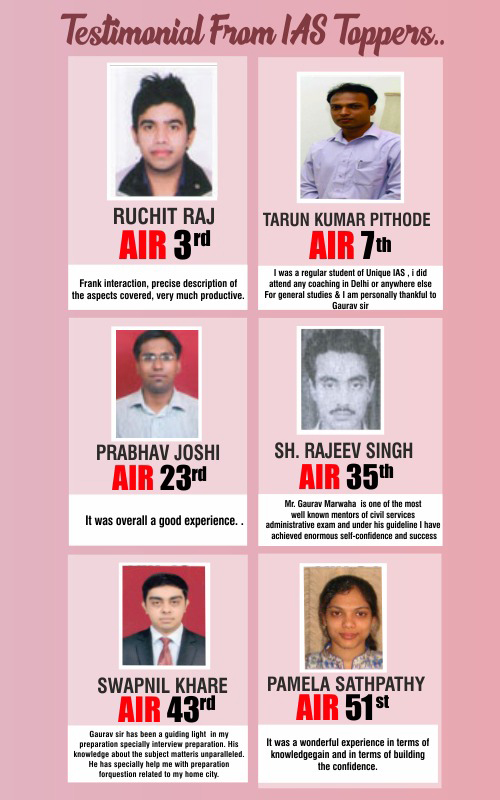
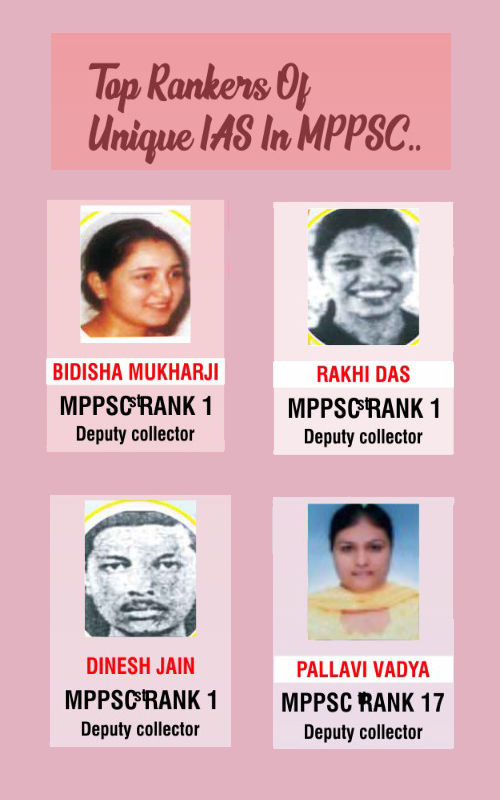
© 2026. Unique IAS Study Circle All Rights Reserved. | Designed & Developed by: G-INFOSOFT TECHNOLOGIES